
Top Sports Bike Performance Guide for Enthusiasts

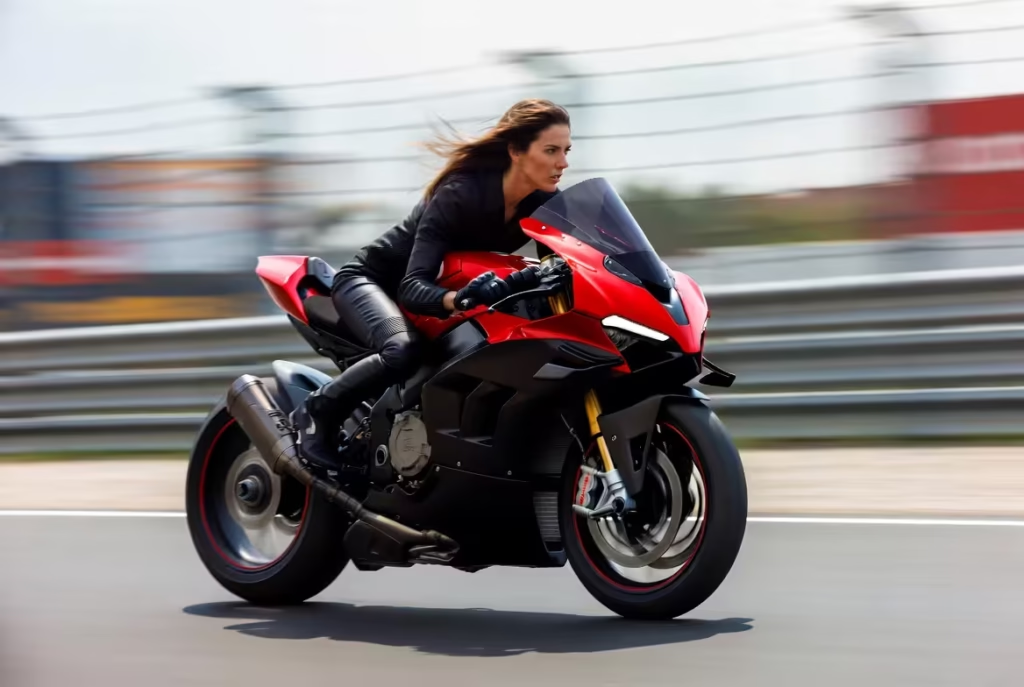
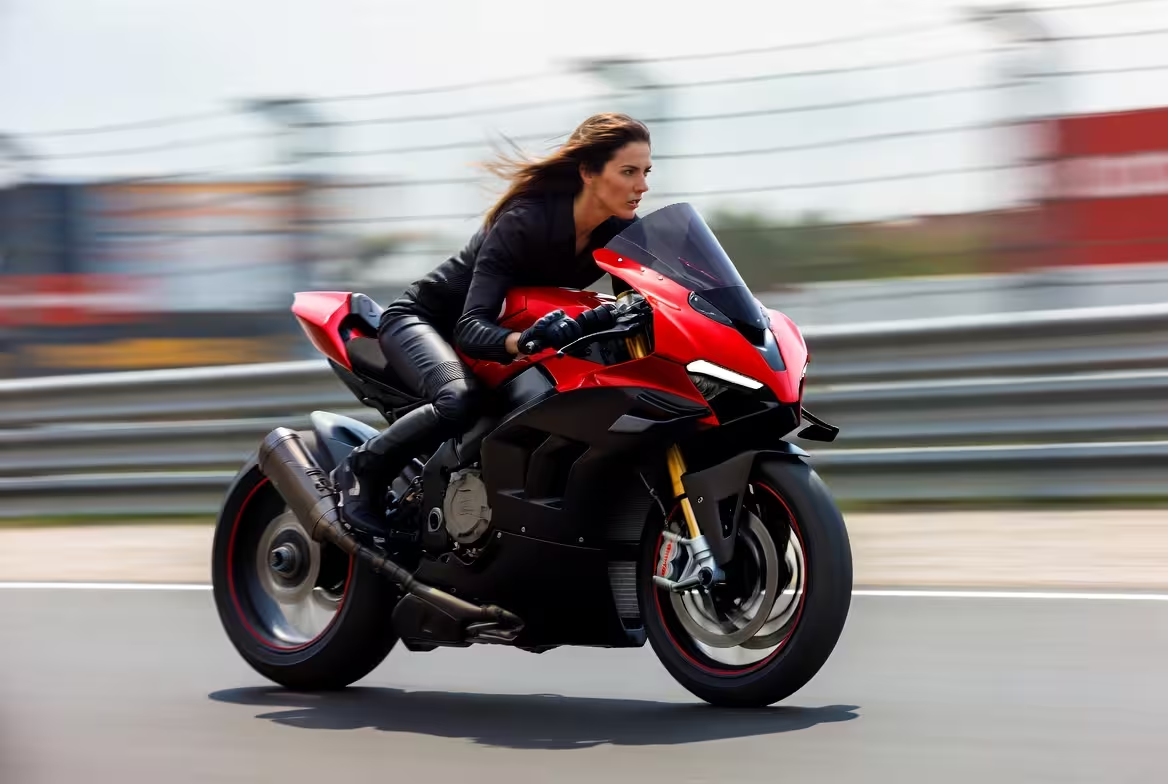
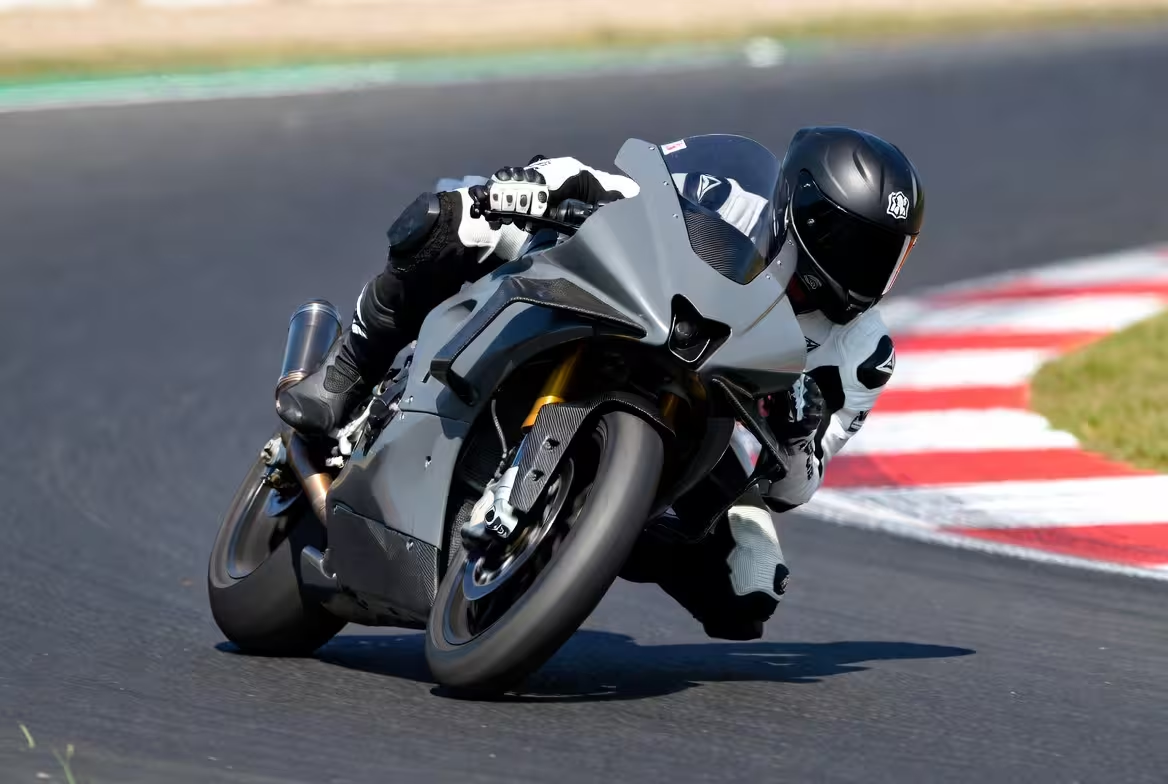
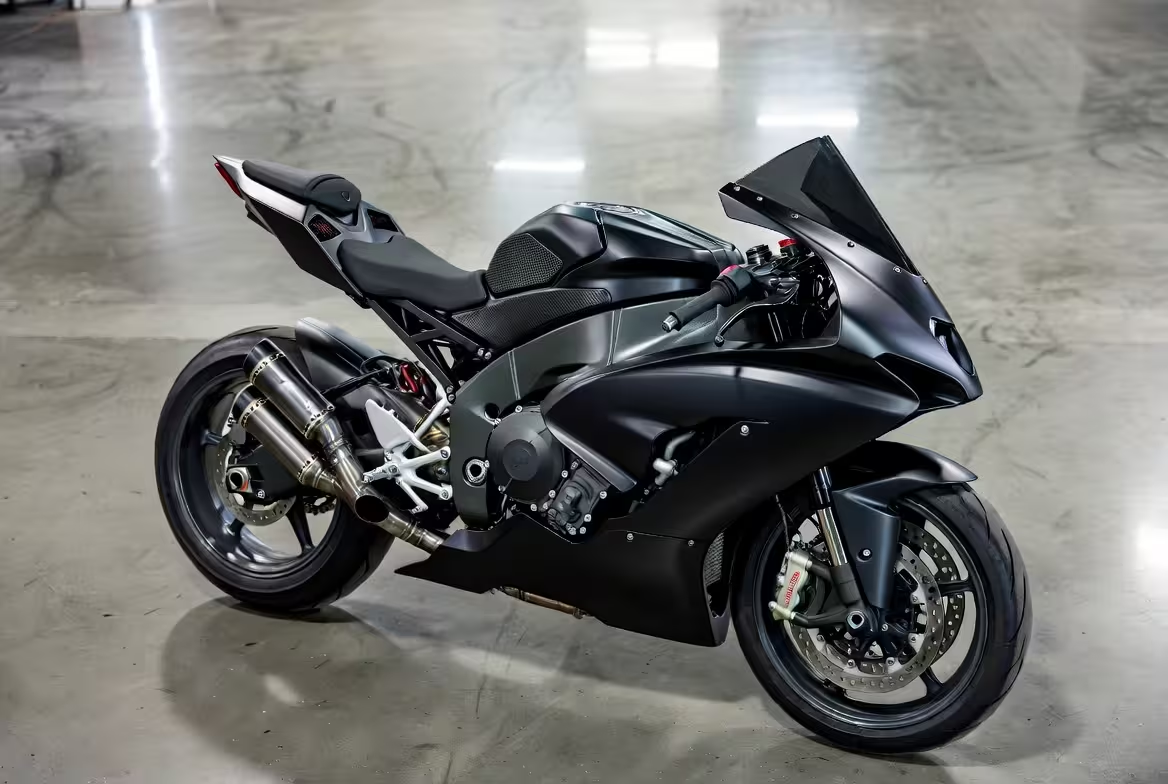
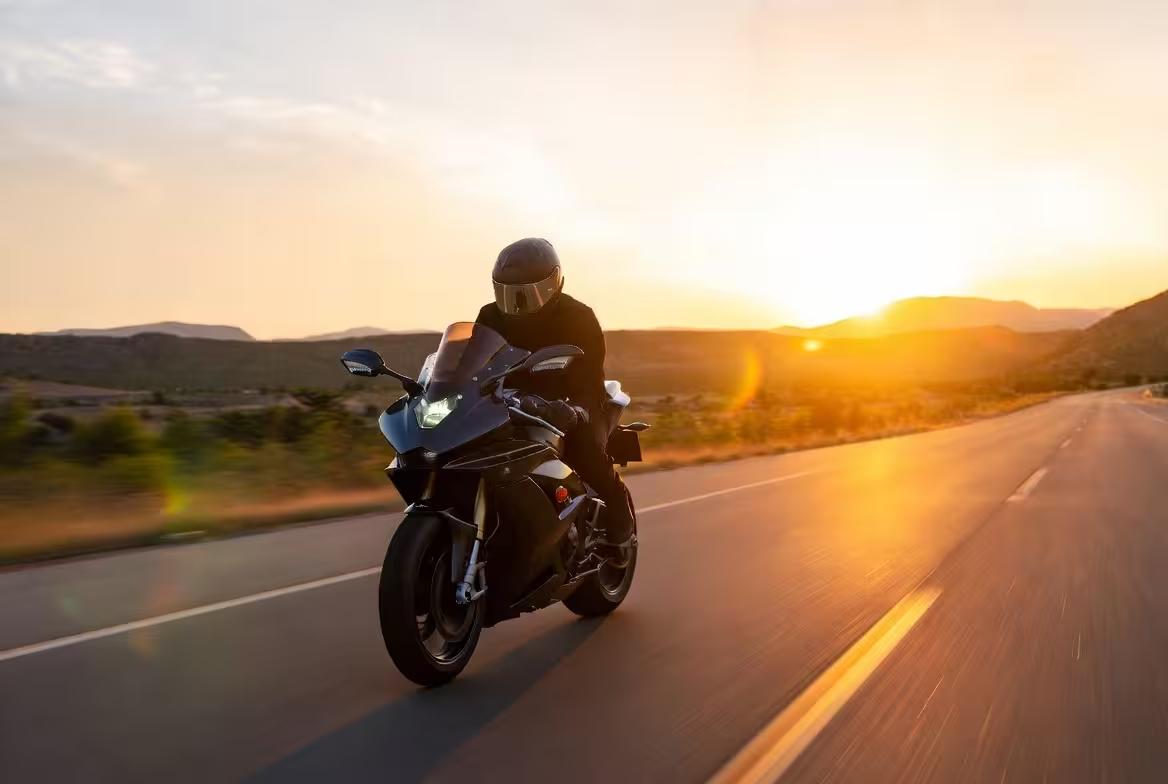
A top sports bike represents the pinnacle of motorcycle design, where raw power meets razor-sharp handling and sophisticated rider aids. These machines captivate enthusiasts who value speed, feedback, and the pure connection between rider and road. In today’s market, sports bikes continue to push engineering boundaries while offering accessible entry points for riders seeking excitement without sacrificing everyday usability.
What Makes a Sports Bike Stand Out
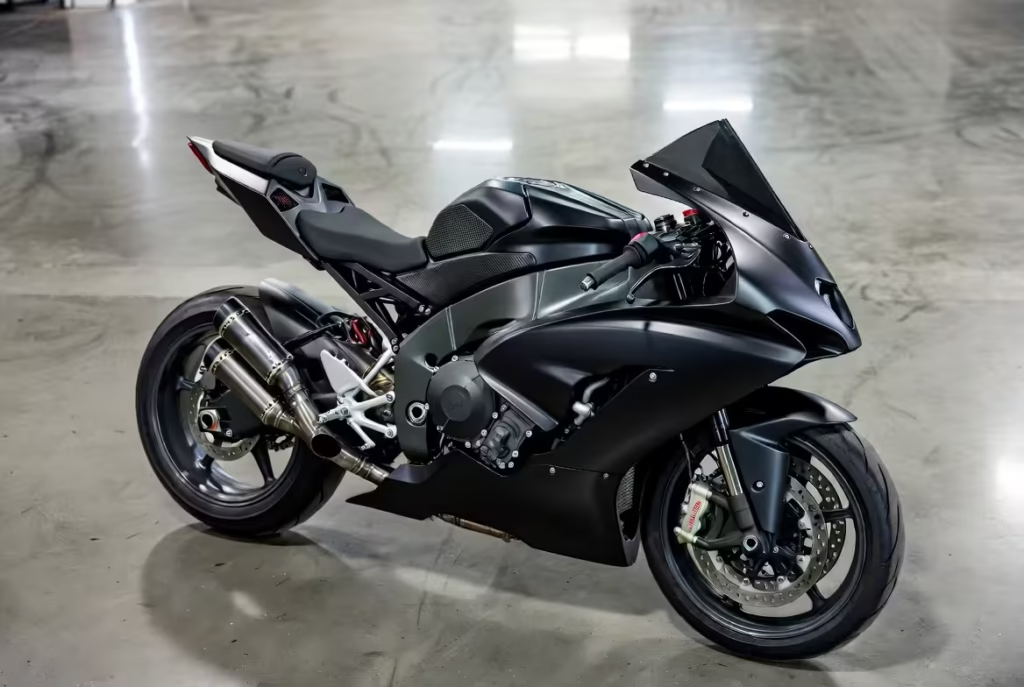
Sports bikes feature full fairings, aggressive riding positions, and high-revving engines built for spirited riding on twisty roads or racetracks. They differ from other categories through their focus on cornering speed, acceleration, and aerodynamic efficiency. Many top sports bikes overlap with the superbike class, delivering liter-class performance in a package that rewards skilled riders.
Performance Details That Define Excellence
At the heart of any top sports bike lies a powerful engine, typically a 999cc to 1100cc inline-four or V4 configuration. Flagship models routinely produce 200+ horsepower with strong mid-range torque for explosive acceleration.
Most use a six-speed transmission paired with a quickshifter for seamless gear changes under hard acceleration. Top speeds often exceed 180 mph in ideal conditions, though real-world limits and legal speeds make track use the true proving ground. Acceleration feels ferocious, with many models capable of strong pulls from low rpm thanks to advanced fuel mapping and throttle response.
Handling, Suspension, and Braking
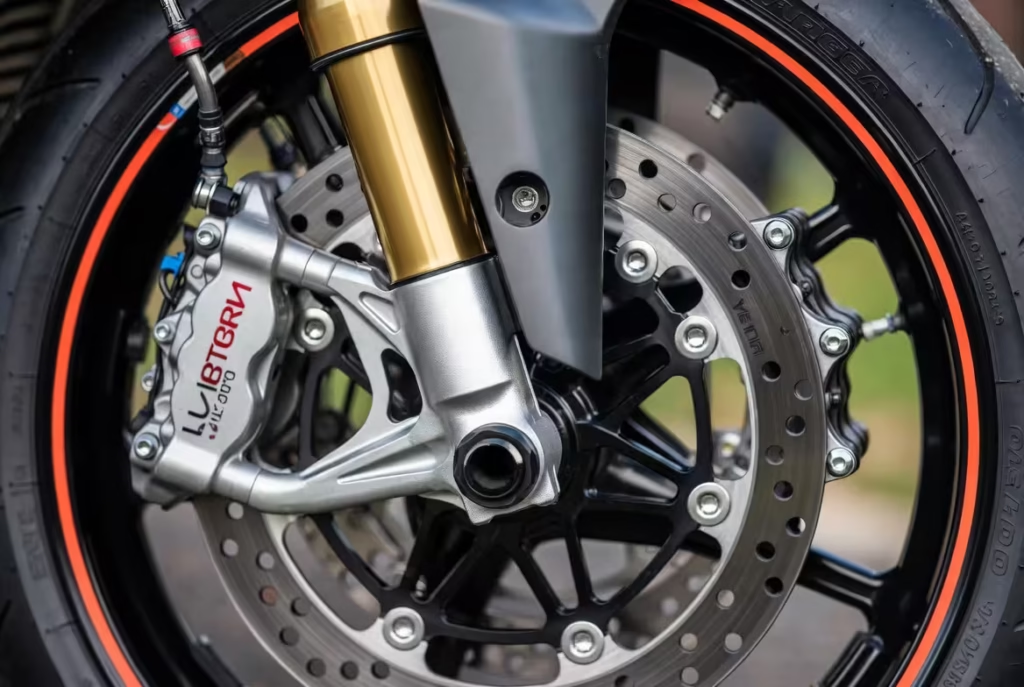
Precision handling comes from lightweight chassis designs, fully adjustable upside-down forks, and high-spec rear shocks. These components allow riders to carry corner speed with confidence while maintaining stability under braking and acceleration.
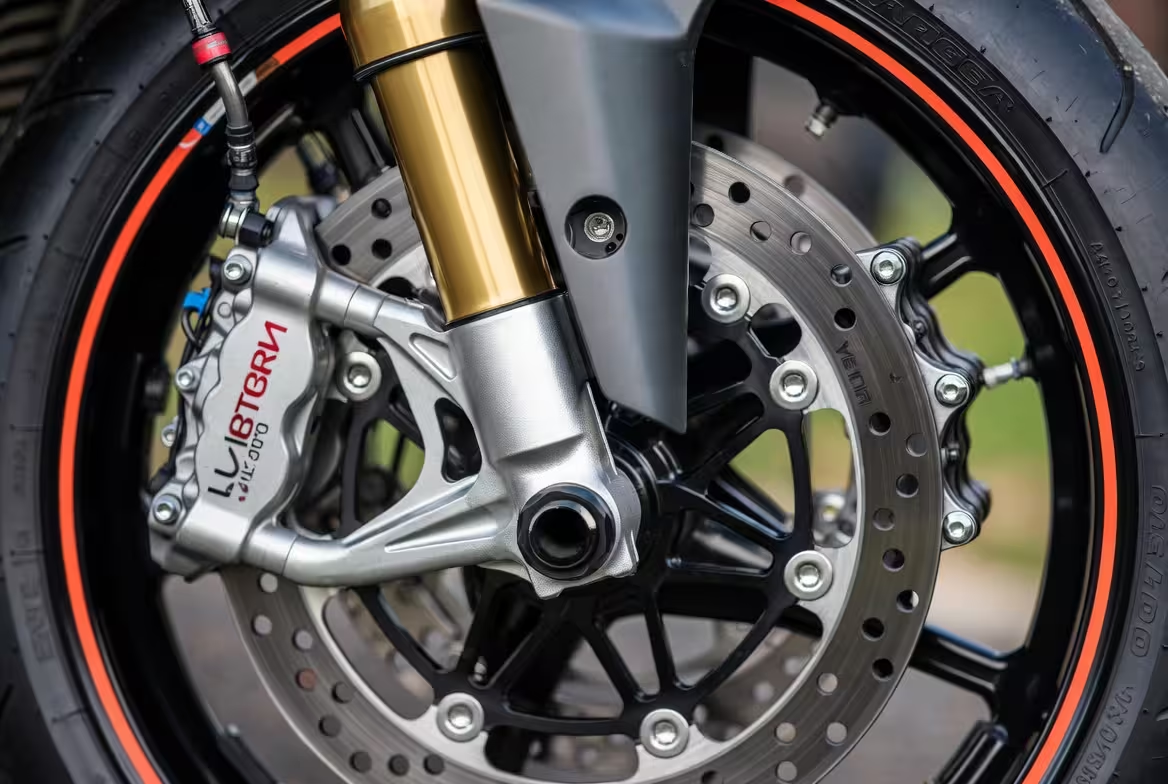
Braking performance is exceptional, with powerful calipers and large discs delivering strong, progressive stopping power. Modern systems include cornering ABS that adjusts intervention based on lean angle, enhancing safety without dulling the sporty character.
Aerodynamics, Fairings, and Riding Position
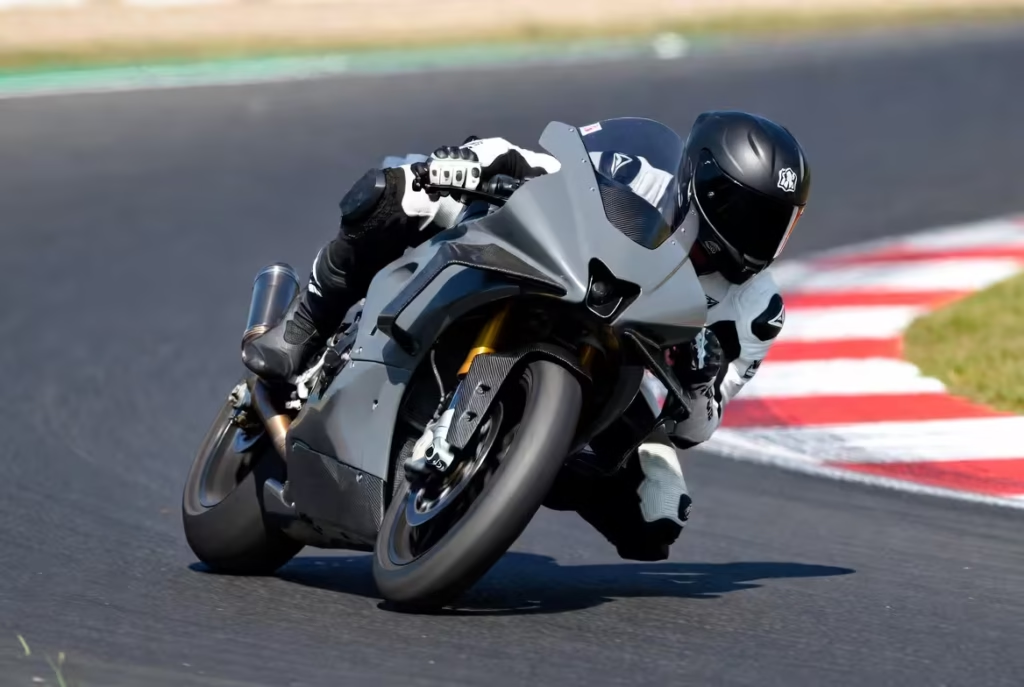
Sleek fairings reduce drag and generate downforce at higher speeds, improving stability on fast straights and during direction changes. The riding position places the rider forward and low, optimizing control during aggressive maneuvers. While this setup excels on track or spirited roads, it can feel demanding during extended highway rides or in heavy traffic.
Rider-Focused Technology and Connectivity
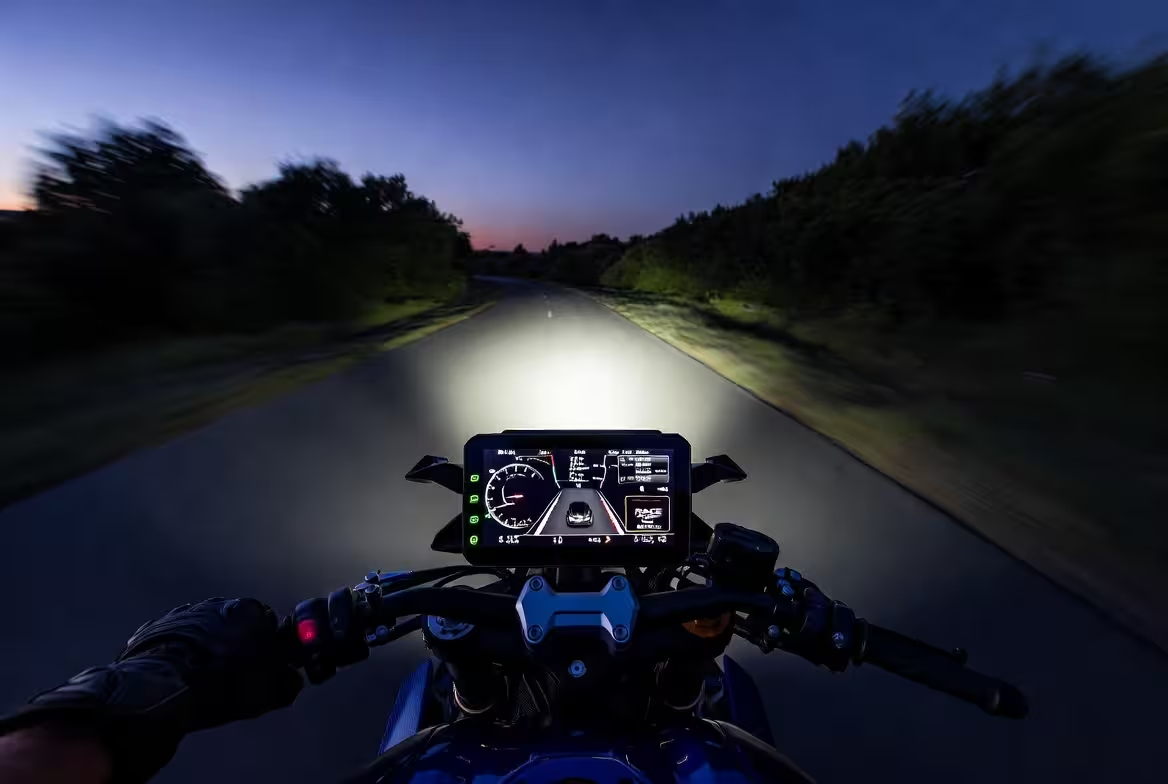
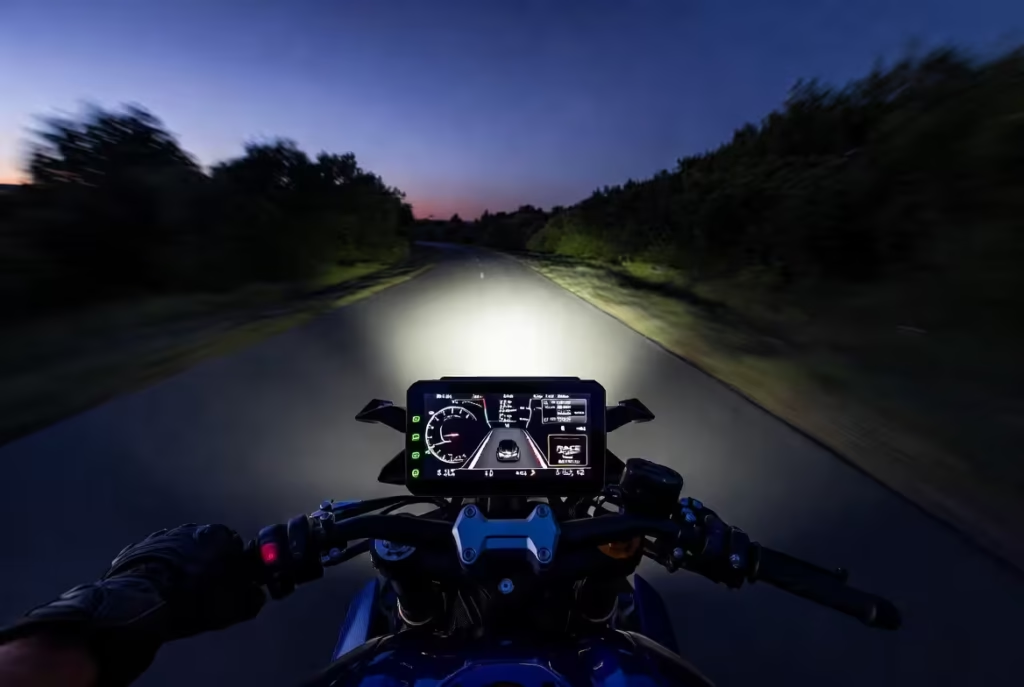
A top sports bike integrates advanced electronics to help riders extract maximum performance safely. Large TFT displays provide clear information on speed, gear position, and lap times. Smartphone connectivity allows navigation, music control, and ride data logging.
Multiple riding modes — including Sport, Track, and Rain — alter power delivery, traction control, and suspension settings. An inertial measurement unit (IMU) enables lean-sensitive traction control, wheelie control, and cornering ABS. These systems work together to build rider confidence across varying conditions.
Safety Features and Real-World Considerations
Safety technology has advanced significantly. In addition to cornering ABS and traction control, many models include launch control, engine braking control, and quickshifter systems that reduce rider workload.
Fuel economy typically ranges from 25–40 mpg depending on riding style and model, making these bikes thirstier than touring or adventure motorcycles. Running costs include higher insurance premiums and more frequent maintenance intervals due to high-performance components. Pricing spans from accessible middleweight options in the $6,000–$12,000 range to flagship superbikes exceeding $25,000–$40,000.
Top sports bikes are widely available through authorized dealers across the USA and Europe, with strong parts and service support for popular models.
Comparison With Other Motorcycle Types
Compared to naked bikes, sports bikes offer superior wind protection and higher top-end performance thanks to full fairings, though naked models provide a more upright, street-friendly riding position. Touring bikes prioritize long-distance comfort, luggage capacity, and relaxed ergonomics — areas where sports bikes intentionally compromise for sharper handling and lighter weight.
Within the sports bike segment itself, superbikes sit at the top tier, offering the highest power and most advanced electronics, while middleweight options deliver similar thrills with more manageable power and lower costs.
Track Performance Versus Daily Usability
On the track, a top sports bike shines brightest. Lightweight construction, powerful brakes, and sophisticated electronics allow riders to push limits lap after lap. Many owners enjoy track days as the ideal environment to explore full potential.
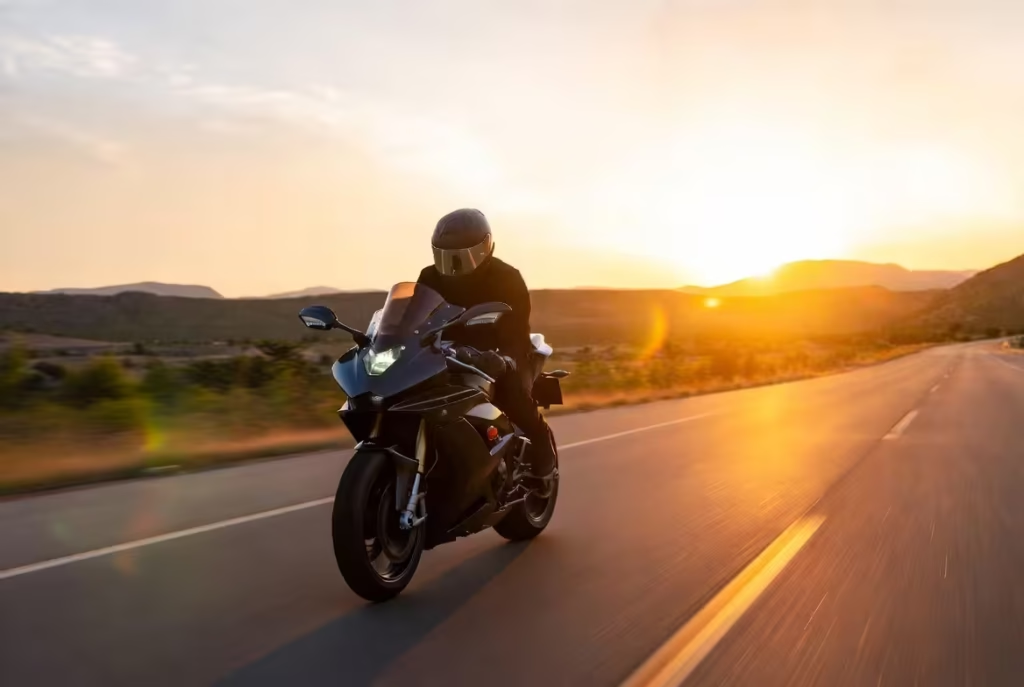
For daily riding, these machines work best for shorter commutes or weekend escapes. The forward-leaning position and firm suspension can fatigue riders on long highway stretches, and limited storage plus higher fuel consumption make them less practical than touring alternatives for extended trips.
Maintenance, Ownership Experience, and Market Impact
Ownership brings both rewards and responsibilities. Regular services, valve checks, and tire replacements add to costs, but many riders find the engagement and performance worth the investment. Proper maintenance keeps these machines reliable and preserves resale value.
Sports bikes continue to influence the broader motorcycle market by driving innovation in electronics, materials, and chassis design. Their popularity sustains a vibrant aftermarket and strong dealer networks.
Future Trends in Sports Bikes
The segment continues evolving with lighter materials, refined electronics, and improved rider aids. Manufacturers are exploring hybrid assistance and more sustainable fuel options while preserving the thrilling character that defines a top sports bike. Expect even more intuitive interfaces and connectivity features in coming years without losing the raw, mechanical excitement enthusiasts crave.
Whether you’re drawn to the precision of European V4s or the proven reliability of Japanese inline-fours, a top sports bike delivers an unmatched blend of performance and technology. These machines reward skill and respect while offering unforgettable riding experiences.
What’s your favorite aspect of sports bike riding — the power, the handling, or the technology? Share your thoughts in the comments below. If you found this guide helpful, please share it with fellow enthusiasts and subscribe for more in-depth motorcycle content. Check out our related articles on middleweight sport bikes and track day preparation for more insights.
Key Specifications Section
Representative Top Sports Bike Examples (Current Flagship Models)
- Ducati Panigale V4 / V4 S: 1103cc V4 engine, approximately 213 hp, wet weight around 200 kg, premium pricing tier, advanced semi-active suspension and full electronics suite.
- BMW S 1000 RR / M 1000 RR: 999cc inline-four, 207–218 hp range, wet weight approximately 194–198 kg, high-end pricing, sophisticated chassis and rider aids.
- Aprilia RSV4 Factory 1100: 1099cc V4, approximately 214–217 hp, wet weight around 202 kg, competitive European pricing, strong focus on track-ready components.
These figures represent typical performance for current top-tier models. Exact output and weight vary slightly by version and market.
FAQ
What is the difference between a sports bike and a superbike?
Sports bikes cover a broad performance category with full fairings and sporty ergonomics. Superbikes usually refer to the highest-performance liter-class models within that group, featuring the most power and advanced technology.
Are top sports bikes suitable for beginners?
Most flagship superbikes demand experienced riders due to high power and sharp handling. Middleweight sports bikes offer a gentler learning curve while still delivering strong performance and modern electronics.
How much does a top sports bike cost?
Prices range widely. Entry-level and middleweight sports bikes start around $6,000–$12,000, while premium superbikes typically fall between $20,000 and $40,000 depending on model and options.
What kind of maintenance do sports bikes require?
They need regular servicing, including oil changes, valve checks, chain maintenance, and tire replacements. Intervals are often shorter than on touring bikes because of the high-performance nature of the components.
How do top sports bikes perform in real-world daily use?
They excel on twisty roads and tracks but can feel firm and exposed on long highway rides. Many owners use them for weekend fun and occasional commuting rather than daily long-distance travel.


