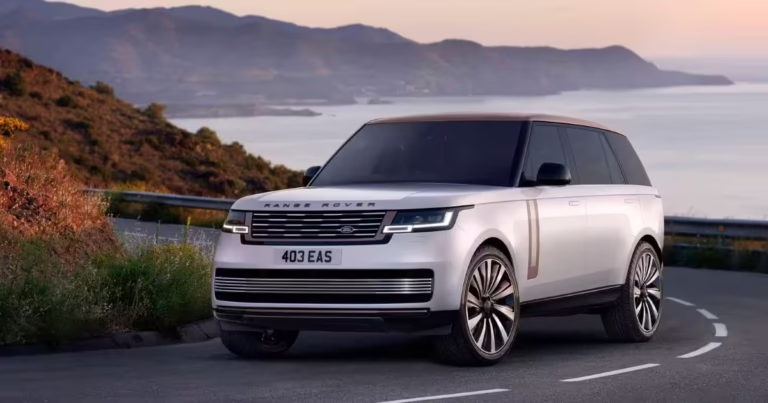
Range Rover Models Explained Complete Guide for 2026

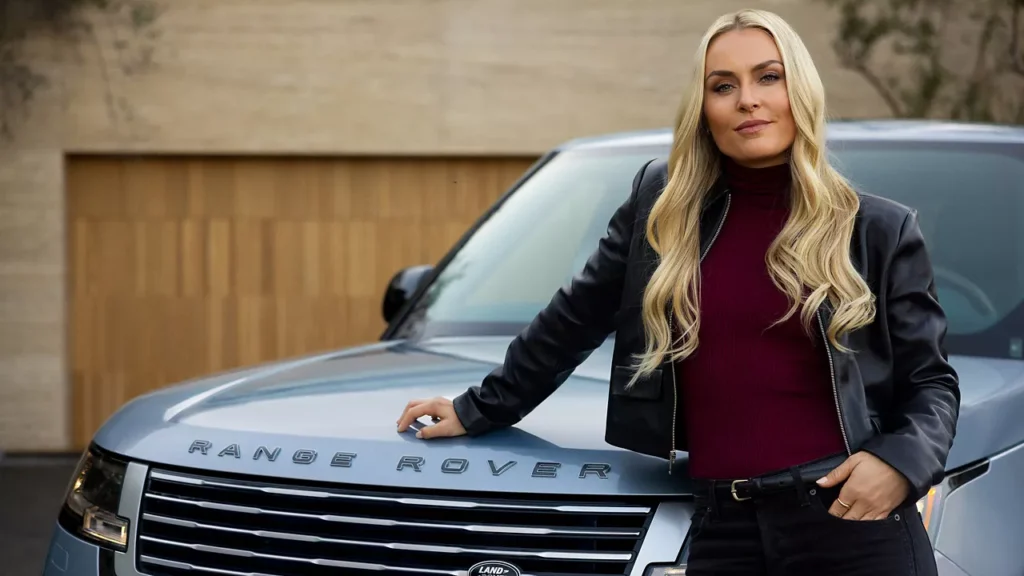
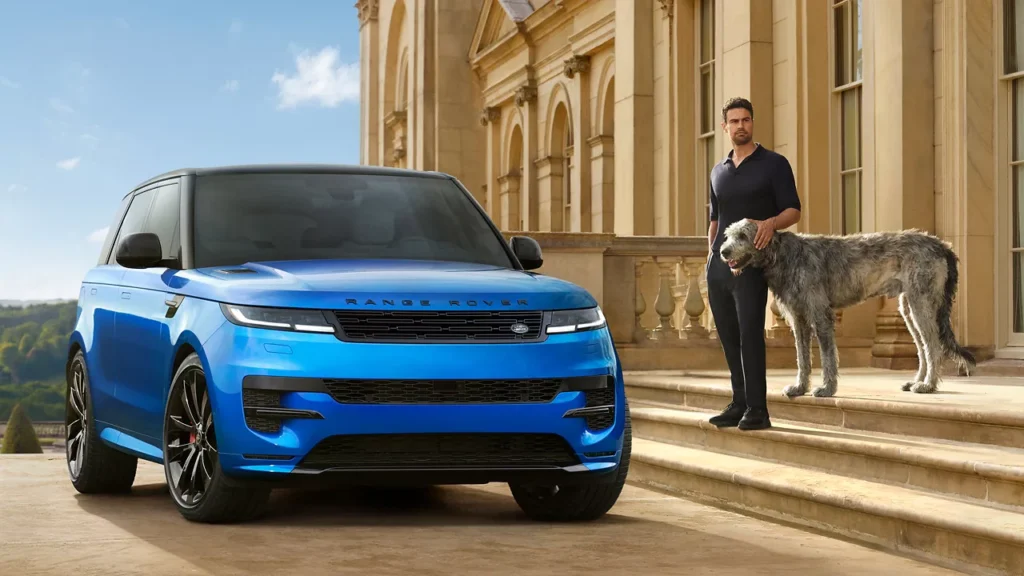
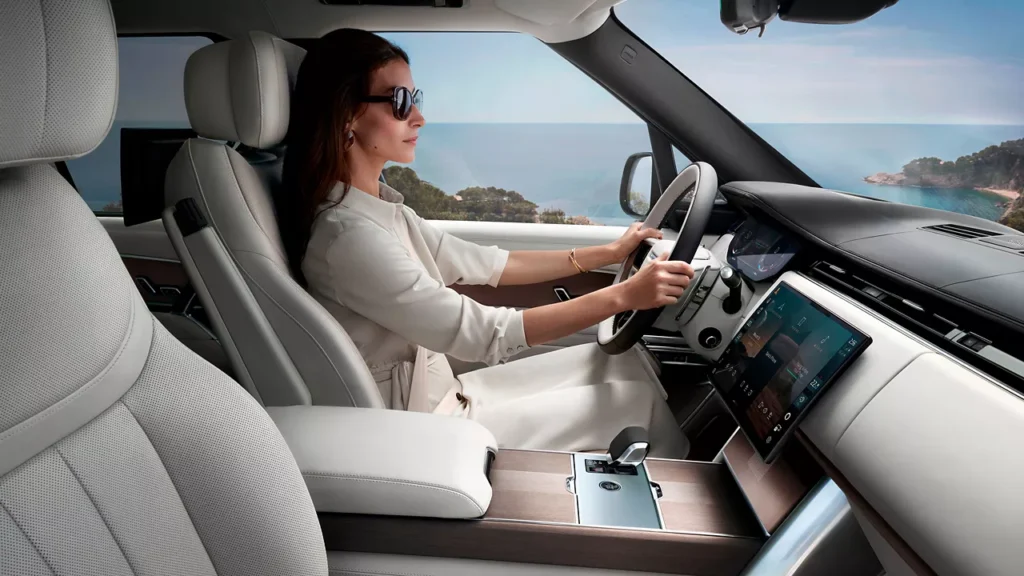

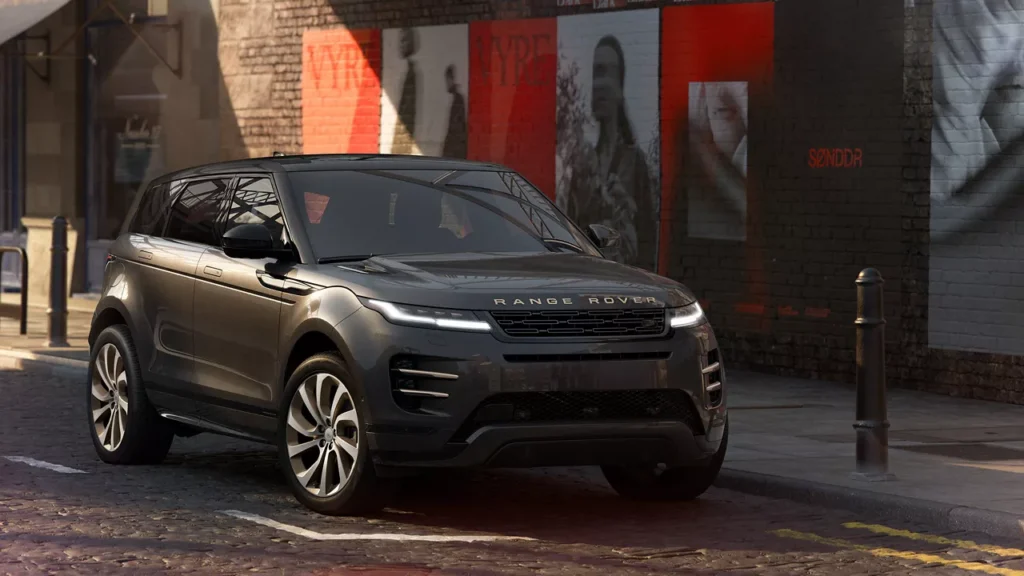
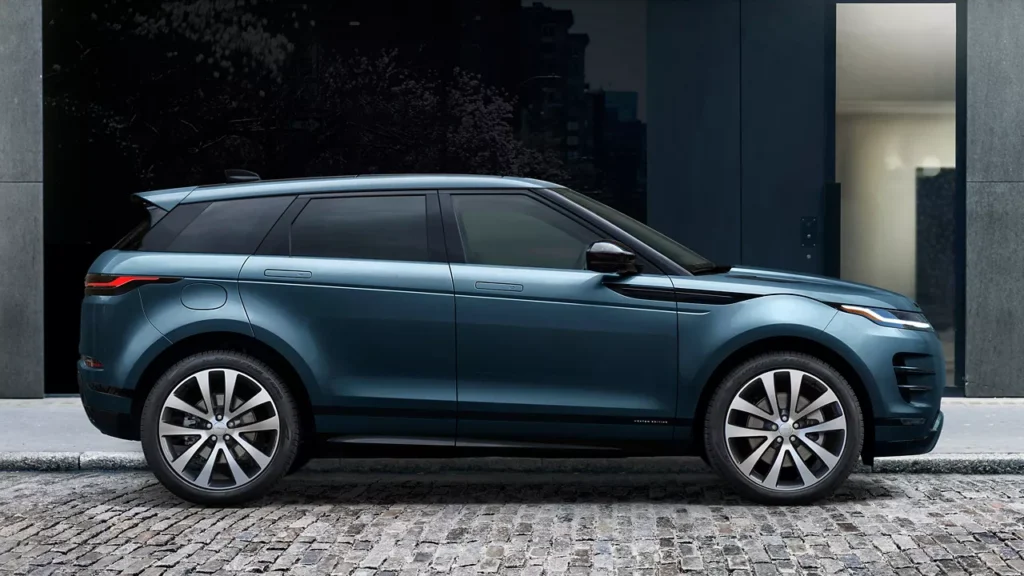
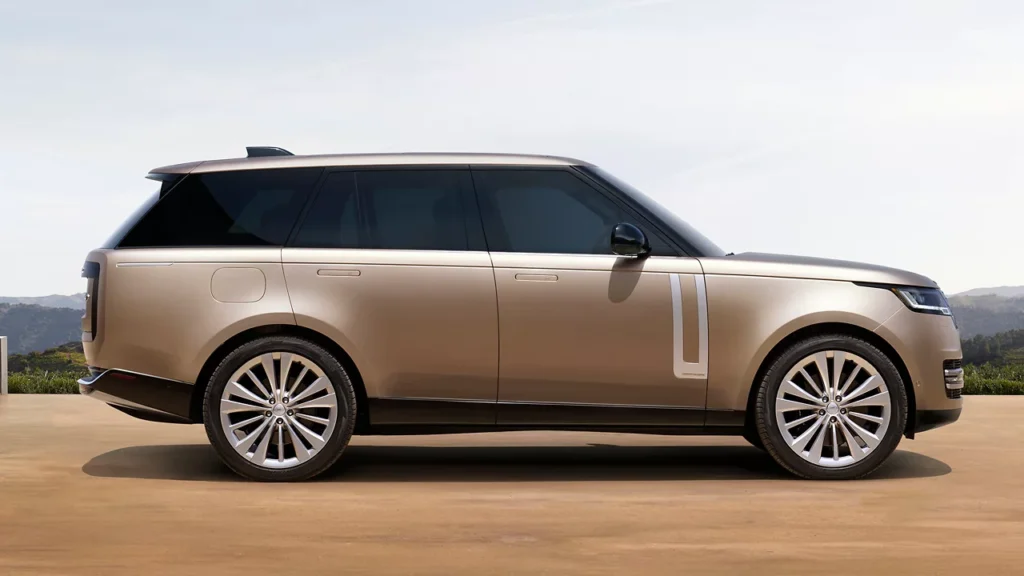
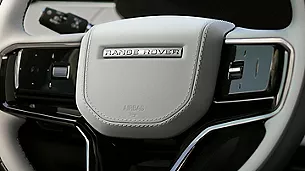
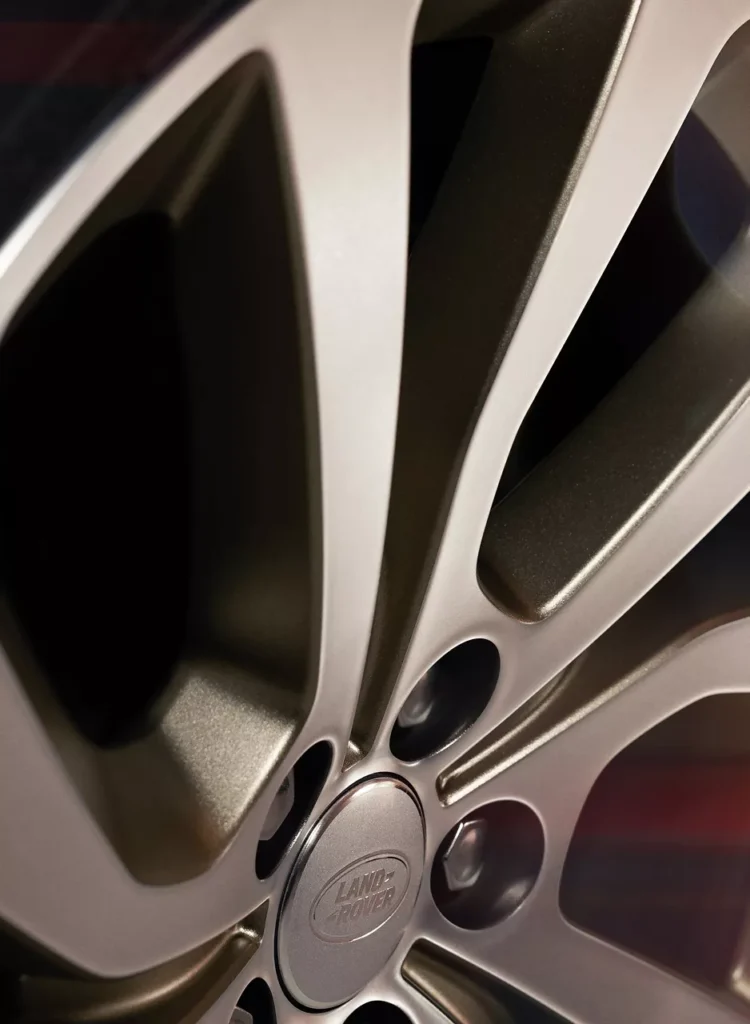
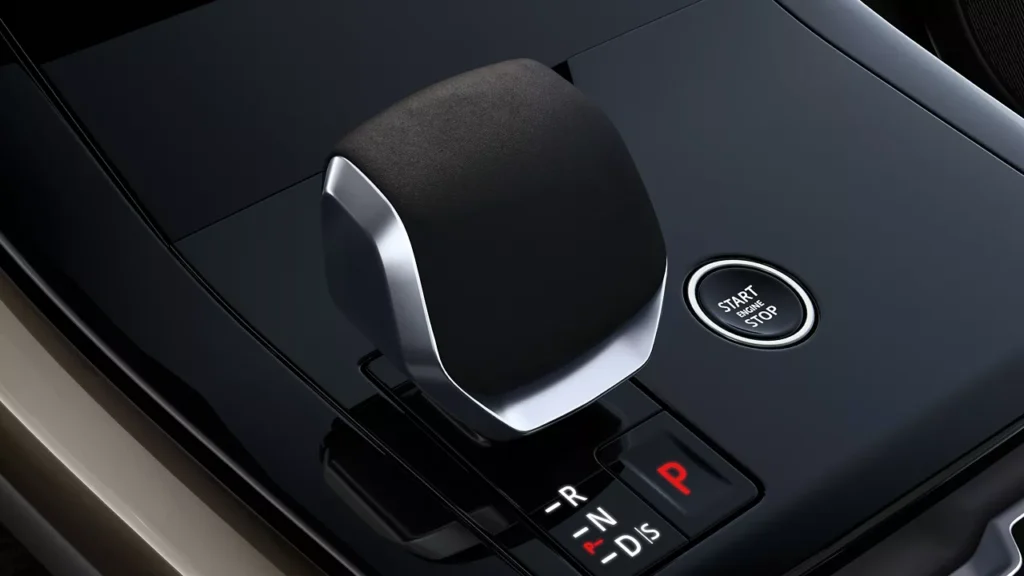
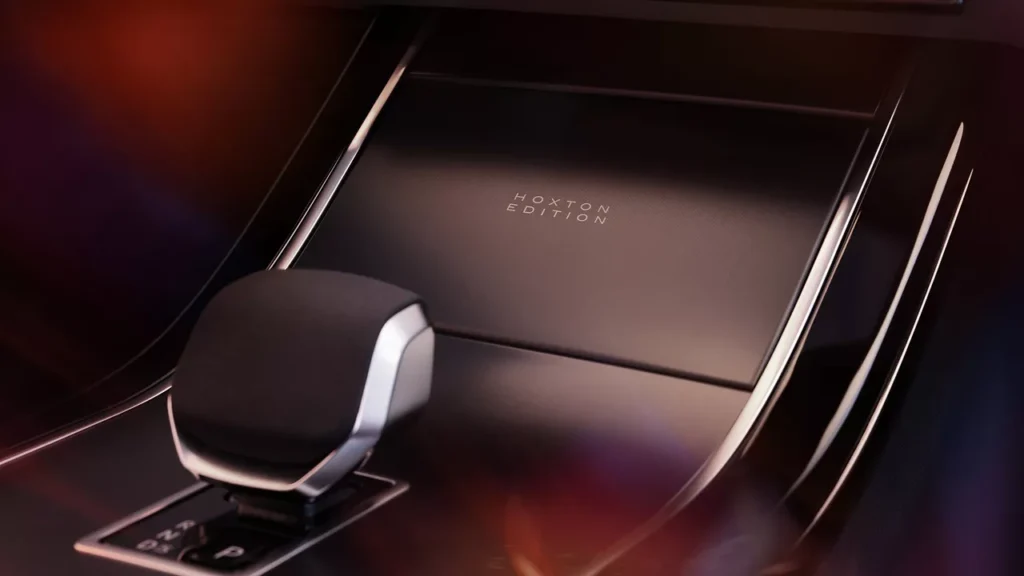
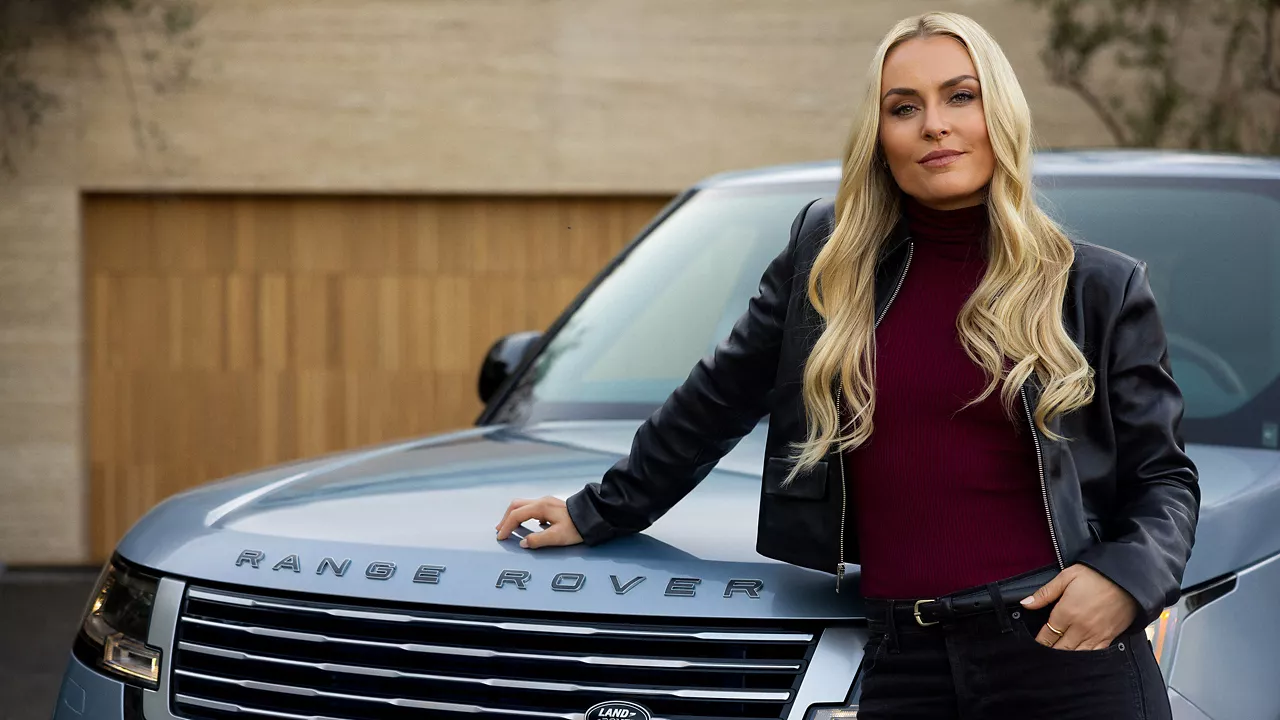
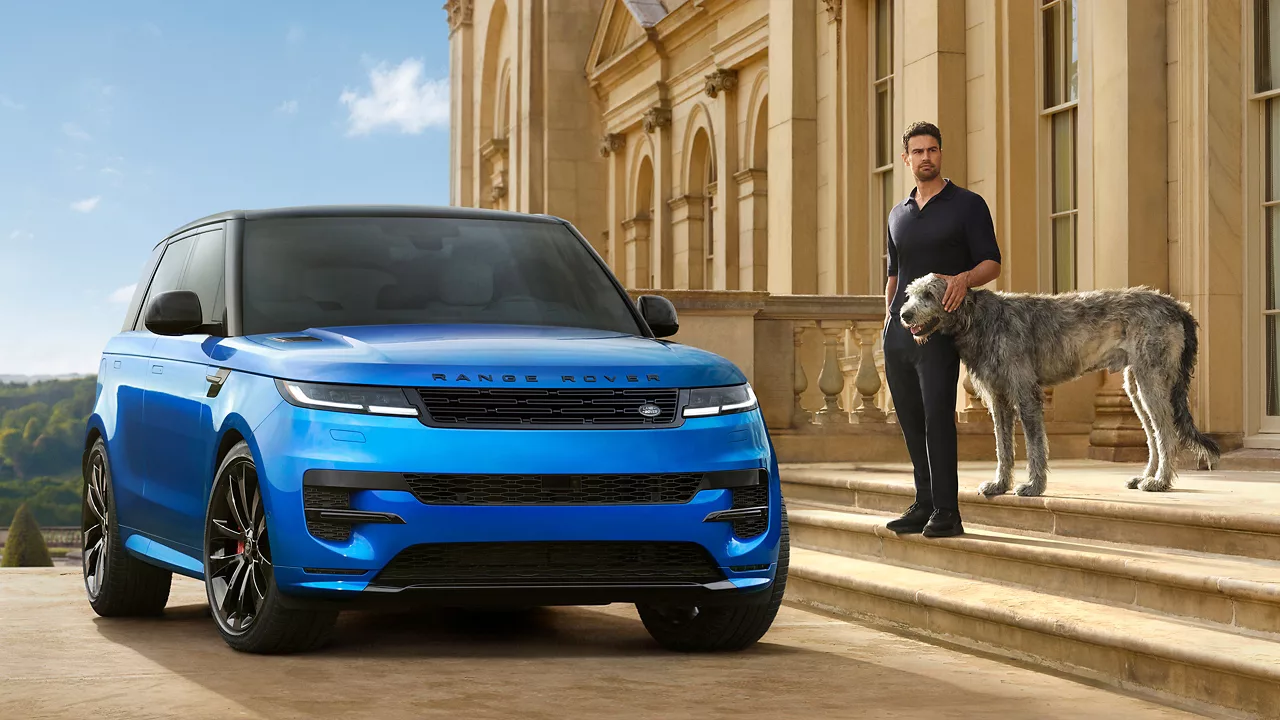

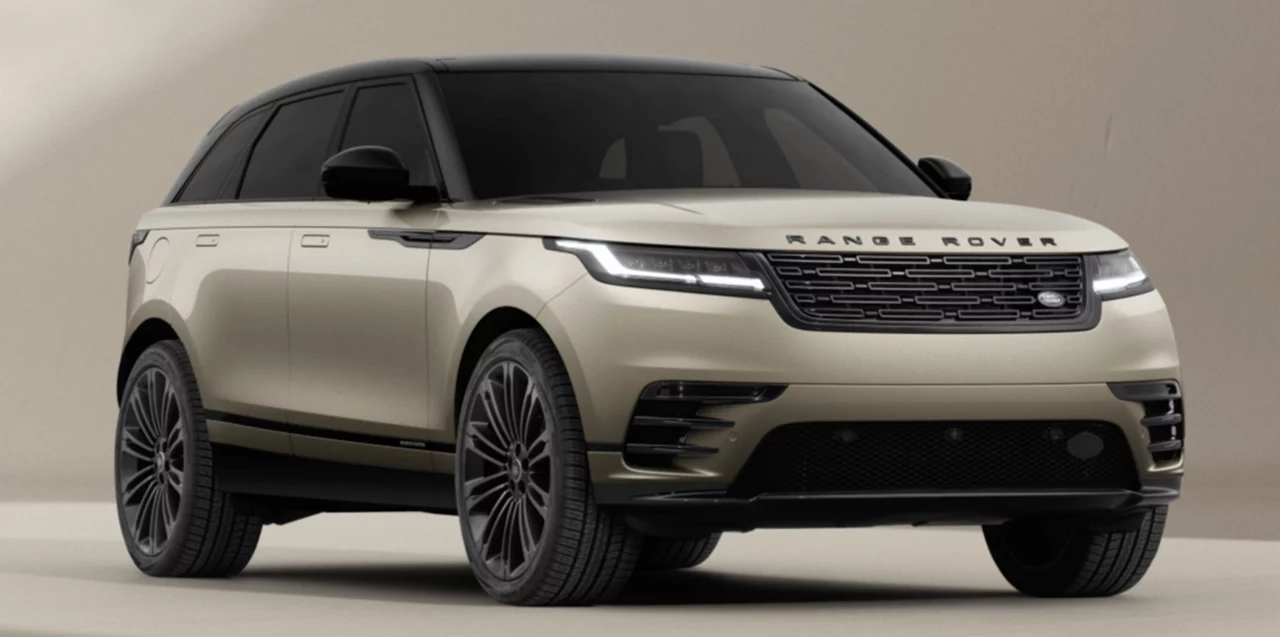
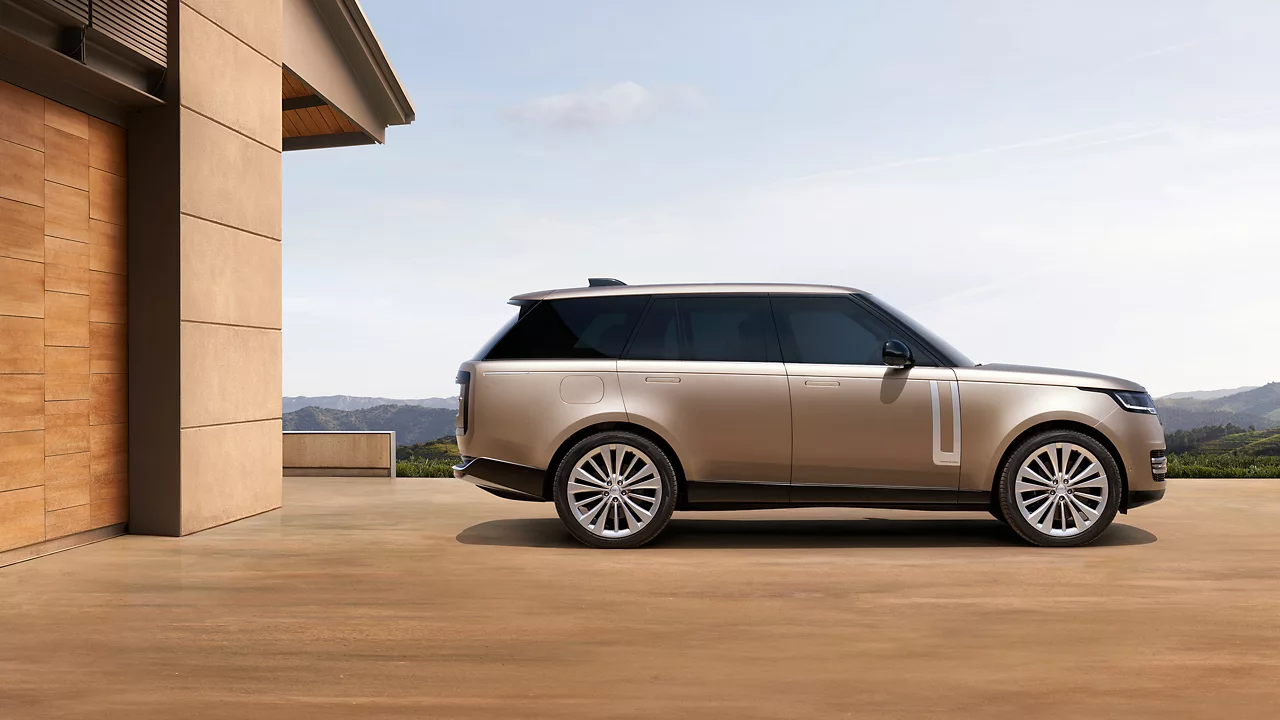
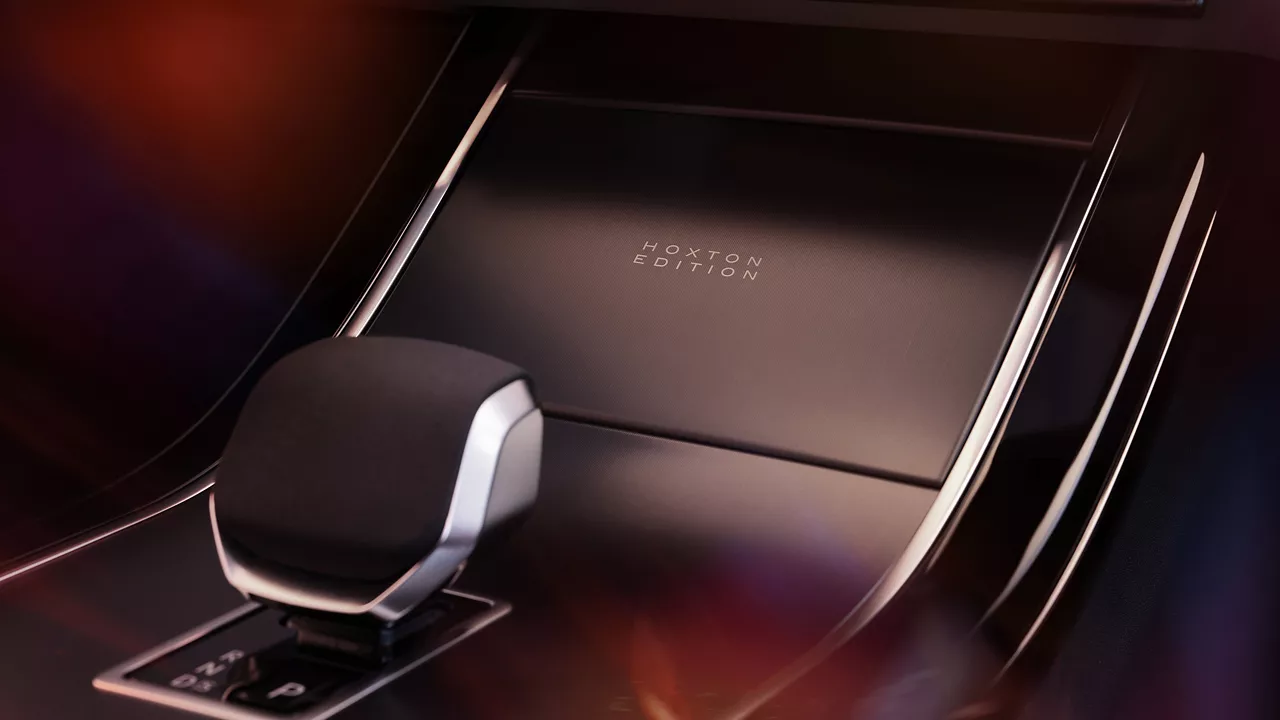
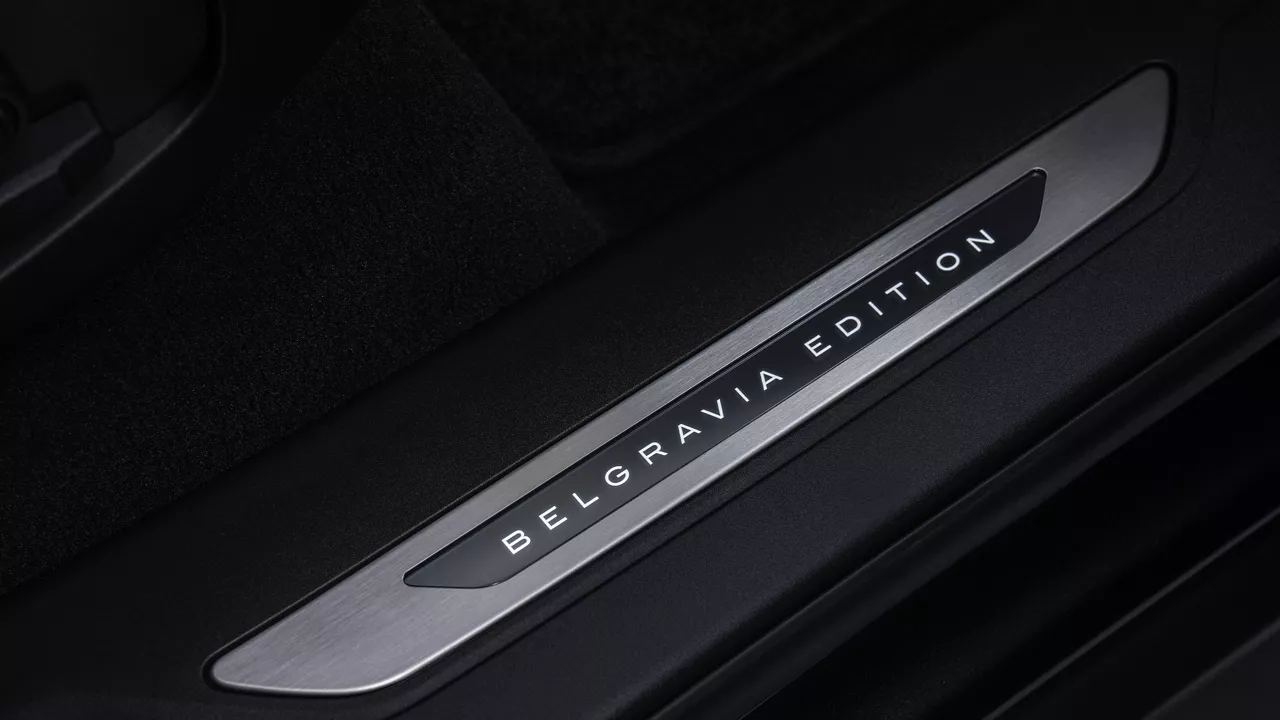
When you think of the ultimate blend of go-anywhere capability and opulent luxury, one name immediately comes to mind: Range Rover. Born from British luxury SUV heritage, the Range Rover brand has evolved from a rugged farm utility vehicle into the undisputed king of premium SUVs. Today, Range Rover models are highly sought after worldwide, offering an unmatched combination of premium design, advanced technology, and legendary off-road capability. They are the vehicles of choice for celebrities, executives, and families who refuse to compromise on comfort or performance.
In 2026, the Land Rover Range Rover lineup is more diverse and sophisticated than ever before. Whether you are looking for an imposing ultra-luxury cruiser, a sporty canyon-carver, an avant-garde style icon, or a city-friendly compact SUV, the brand has a distinct model tailored for you.
If you are navigating the current lineup and wondering which luxury SUV fits your lifestyle, you are in the right place. In this comprehensive buyer’s guide, we will compare all Range Rover models, exploring their features, prices, off-road capabilities, and more to help you decide which one you should buy.
Overview of the Range Rover Lineup
Before diving deep into the specifics, here is a quick overview of the four primary Range Rover models available in the 2026 lineup.
| Model | Category | Estimated Starting Price (2026) | Best For |
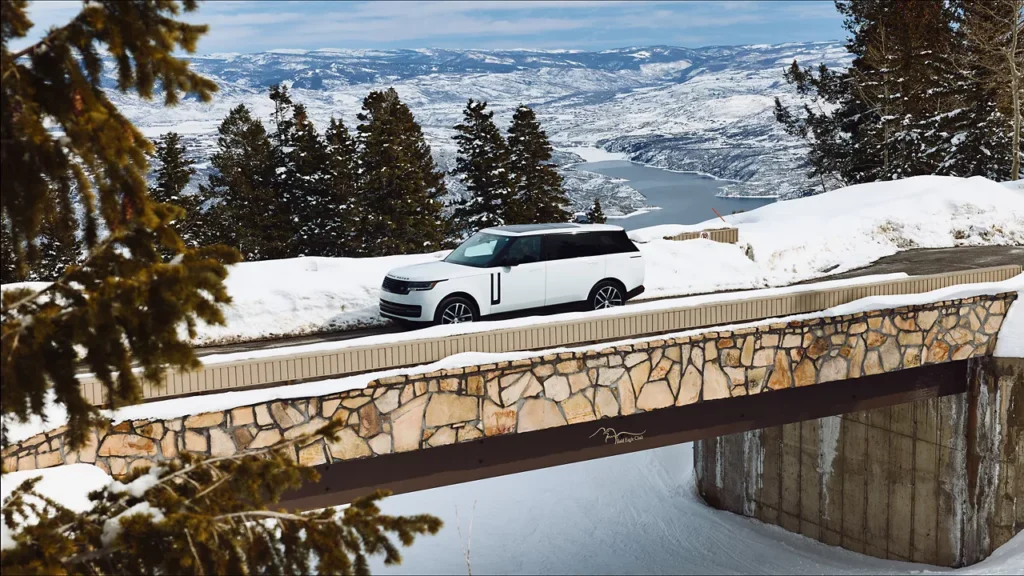
| Range Rover | Full-Size Luxury SUV | $107,000+ | Ultimate luxury, executive transport, max prestige |
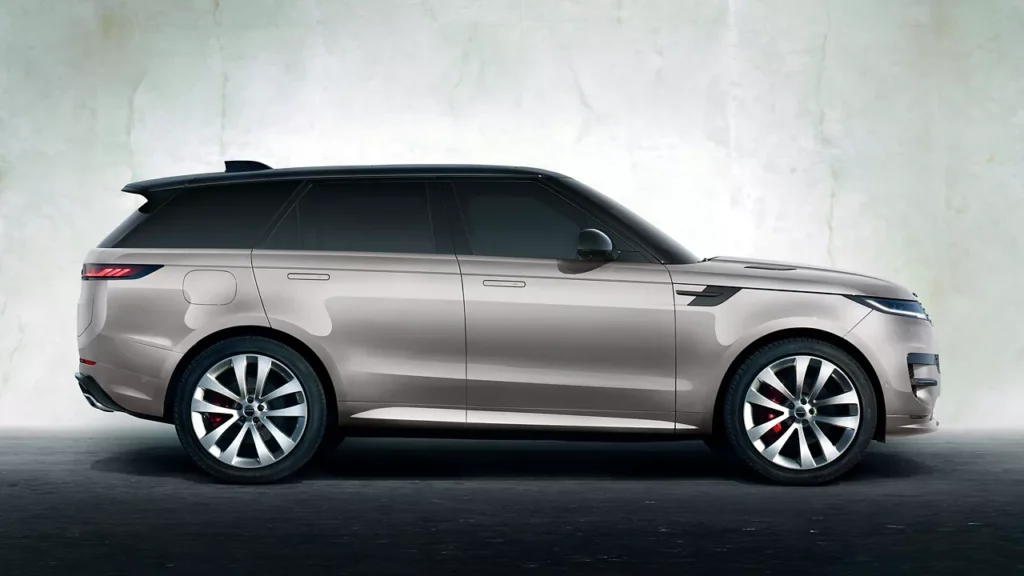
| Range Rover Sport | Performance Luxury SUV | $83,000+ | Sporty handling, powerful engines, driver engagement |
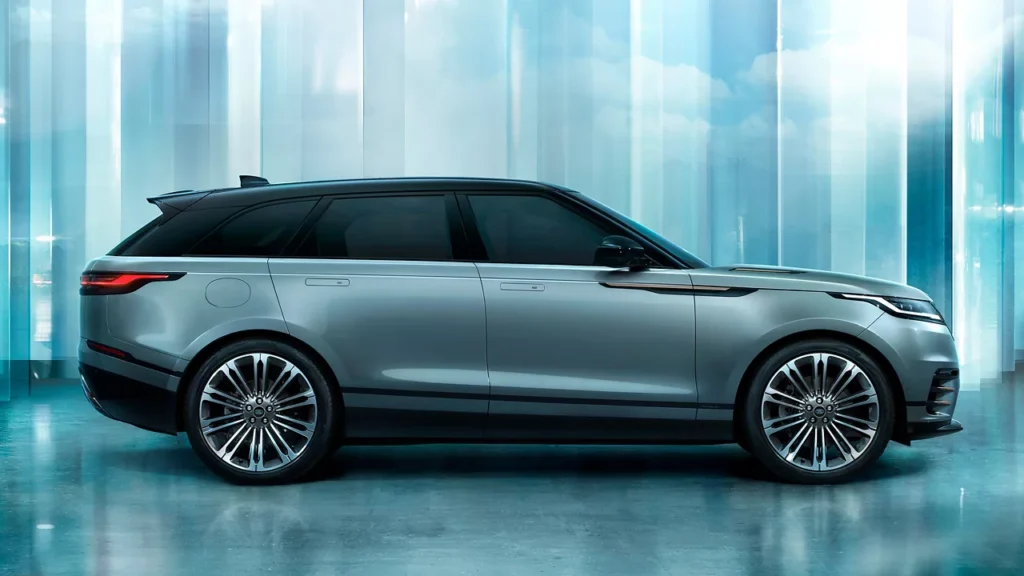
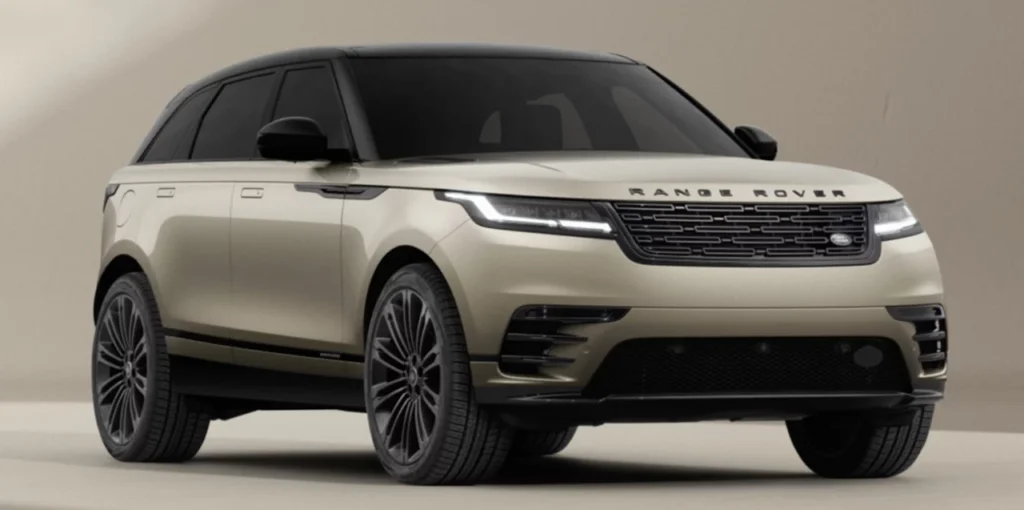
| Range Rover Velar | Stylish Midsize SUV | $61,000+ | Avant-garde design, tech-forward minimalism |
| Range Rover Evoque | Compact Luxury SUV | $49,000+ | Urban driving, entry-level luxury, daily commuting |
Each of these models shares the distinct Range Rover DNA—floating rooflines, premium interiors, and all-terrain competence—but they target distinctly different buyers.
Full-Size Range Rover Review: The Undisputed King
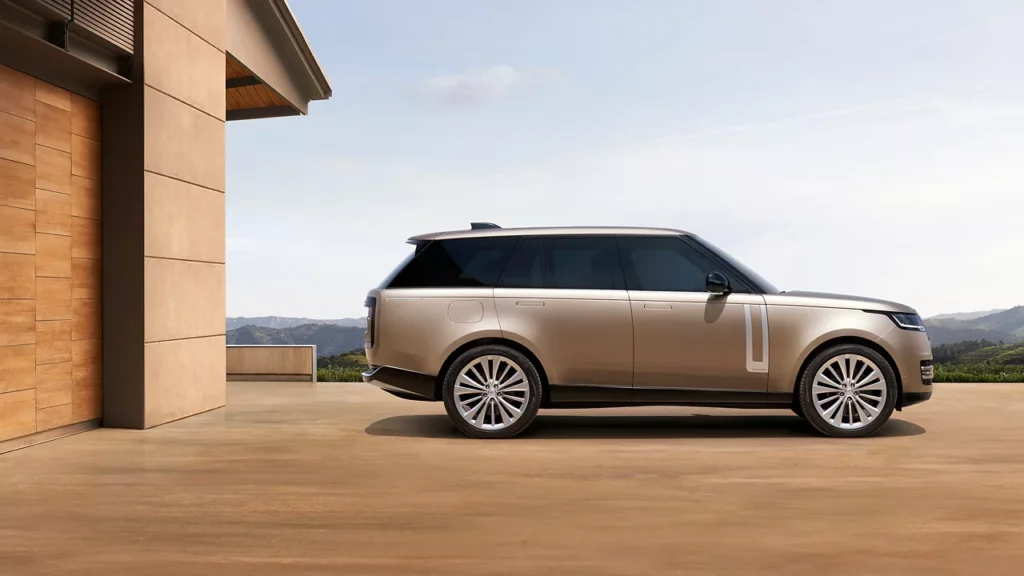
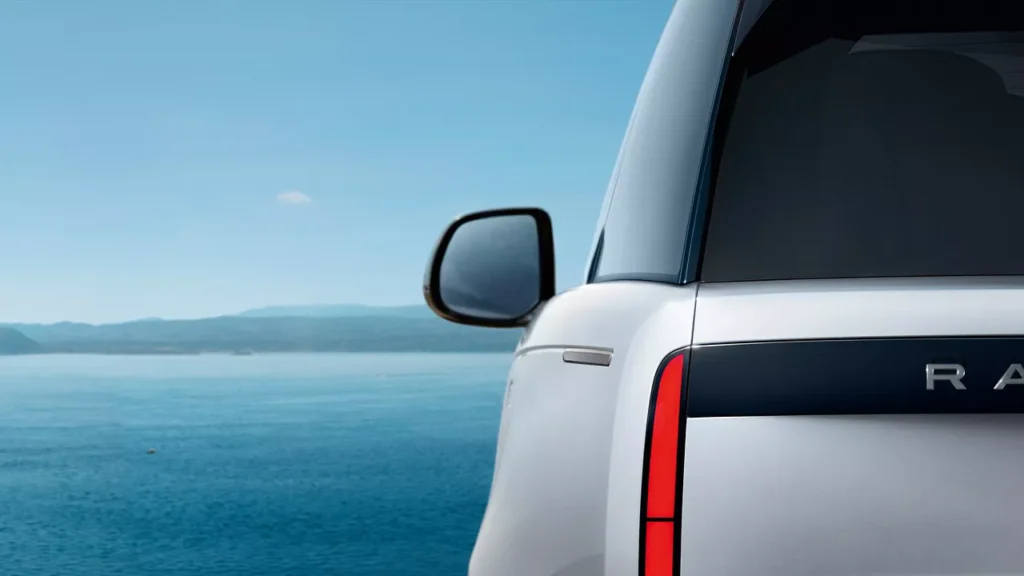
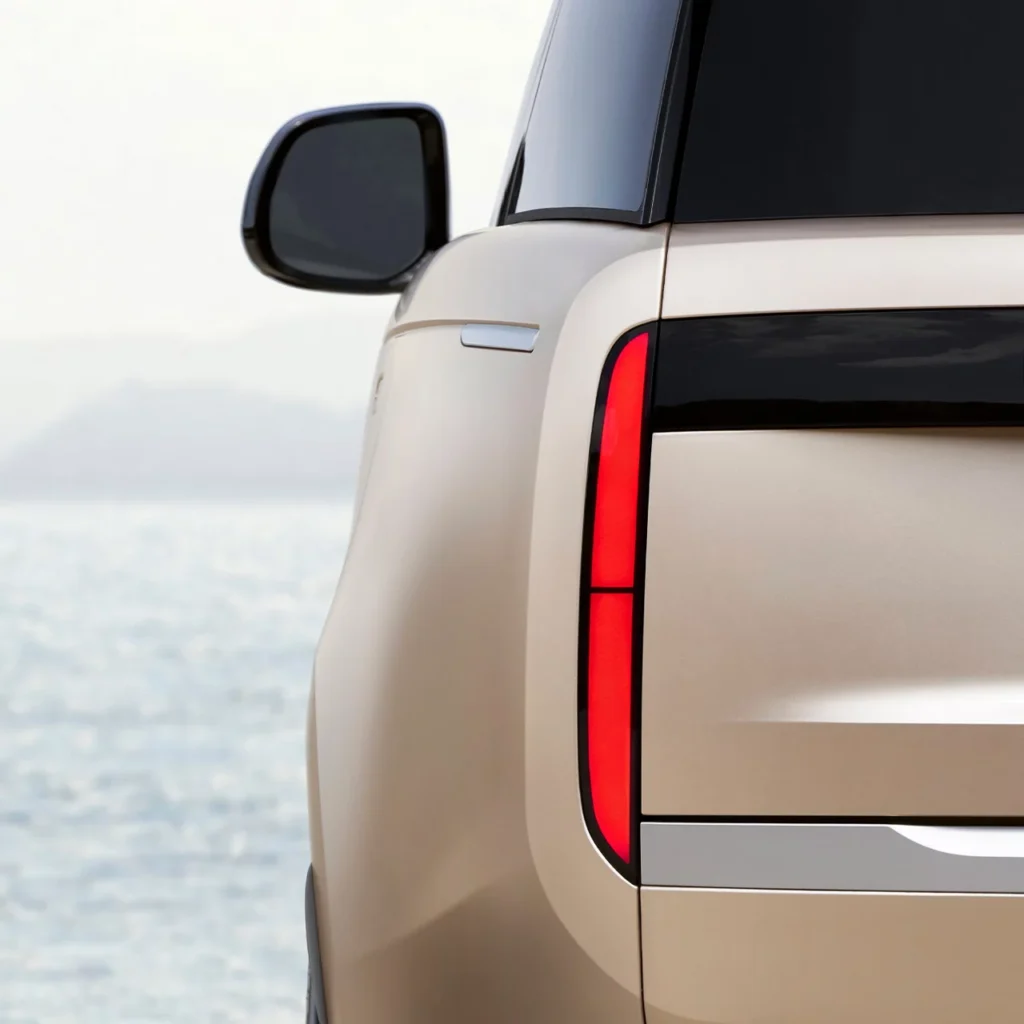
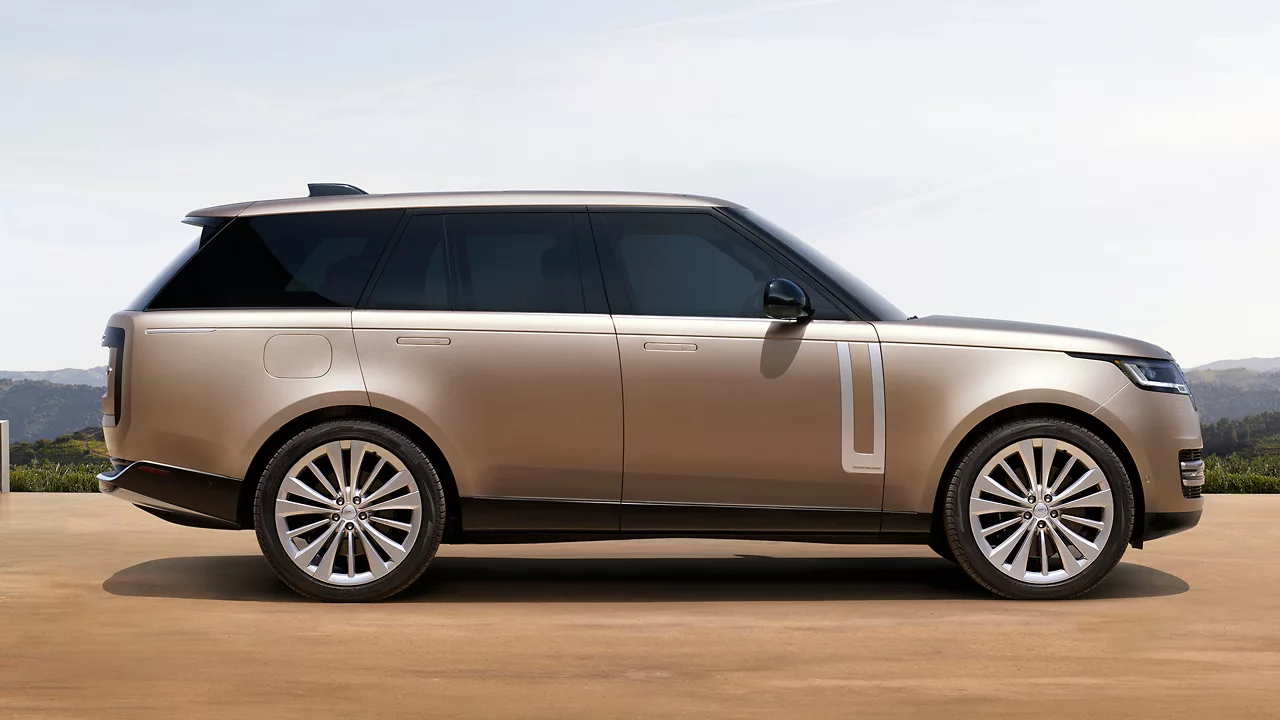
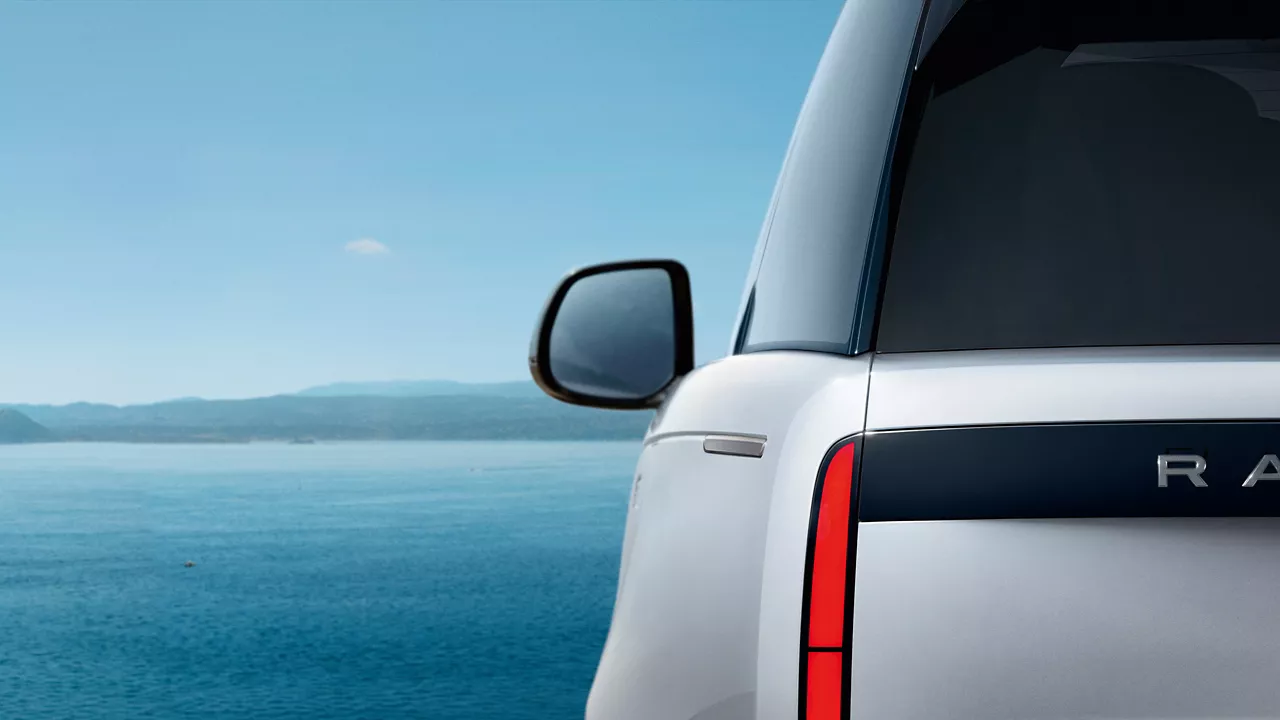
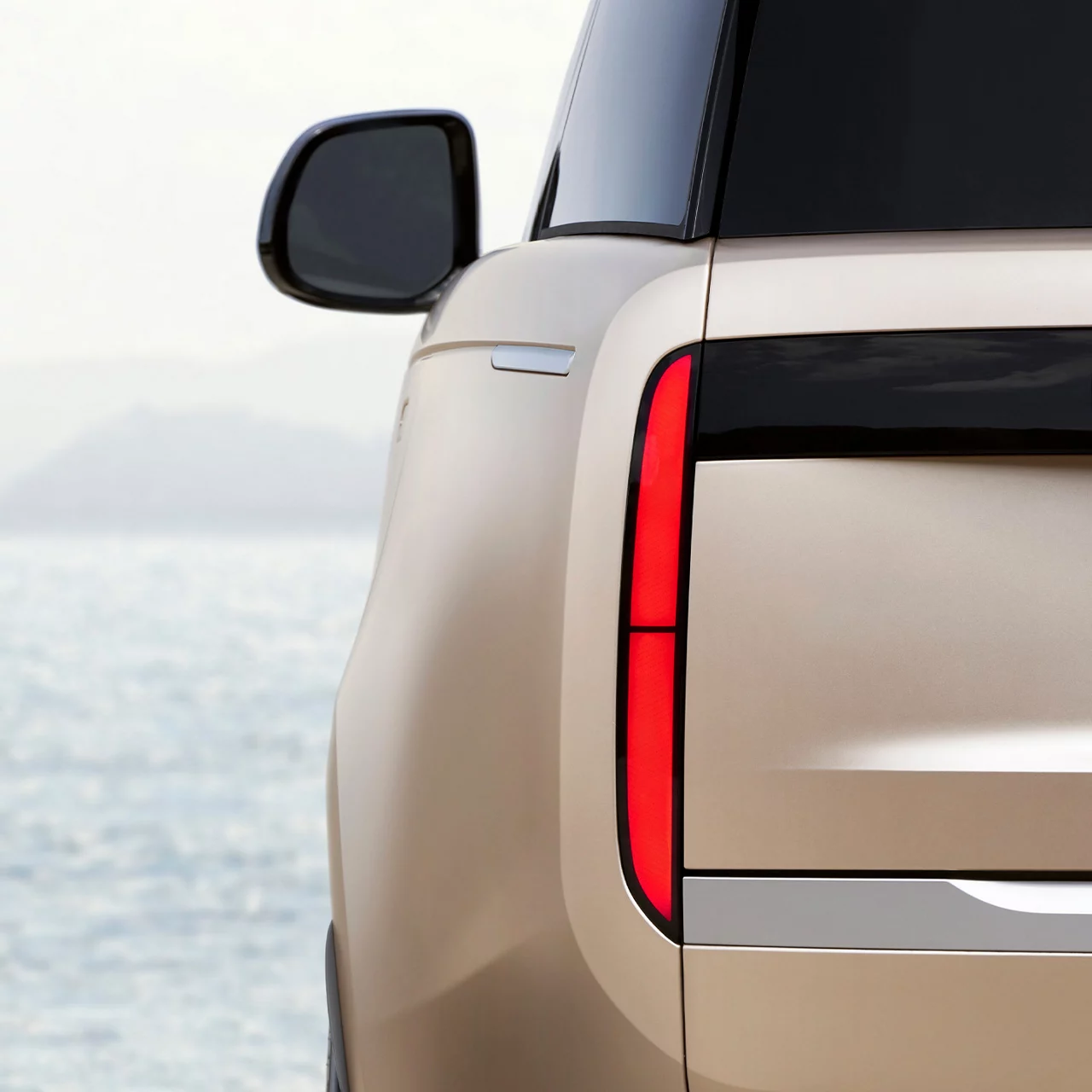
The flagship Range Rover (often referred to simply as “the Range Rover”) is the vehicle that defines the luxury SUV segment. Now in its fifth generation, it boasts a breathtakingly clean exterior design with a distinctive boat-tail rear and hidden taillights that only illuminate when in use.
Design and Interior Luxury
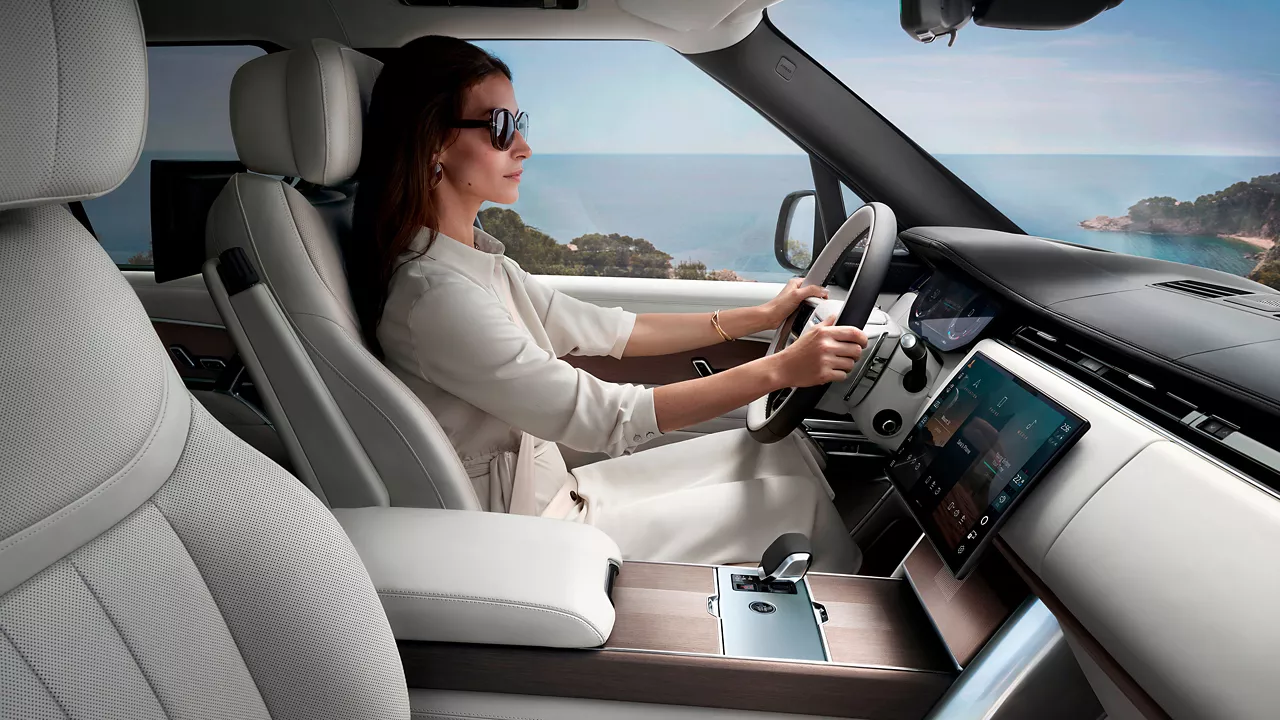
Inside, the full-size Range Rover is an absolute sanctuary. It offers unparalleled interior luxury with sustainable leather alternatives (like Ultrafabrics) or traditional semi-aniline leather. Buyers can choose between standard and long-wheelbase (LWB) variants, offering seating for four, five, or up to seven passengers. The available Executive Class rear seating features massage functions, a deployable club table, and independent screens, rivalling the first-class cabin of a private jet.
Performance and Ride Comfort
Ride comfort is where the flagship model truly outshines the competition. Utilising a fully independent electronic air suspension system with proactive roll control, it glides over potholes and rough terrain alike. Engine options range from a silky-smooth turbocharged inline-six mild hybrid to a potent twin-turbo V8, alongside an incredibly efficient plug-in hybrid (PHEV) and a highly anticipated fully electric EV variant.
Off-Road Capability and Cargo
Despite its tuxedo-like appearance, it remains a mountain goat in the mud, boasting an impressive water-wading depth of nearly 35 inches. Cargo space is generous, especially in the LWB configurations, making it a highly practical family hauler.
Competitors to consider: Mercedes-Benz GLS, BMW X7, Cadillac Escalade, and Bentley Bentayga.
Range Rover Sport Review: Power Meets Precision
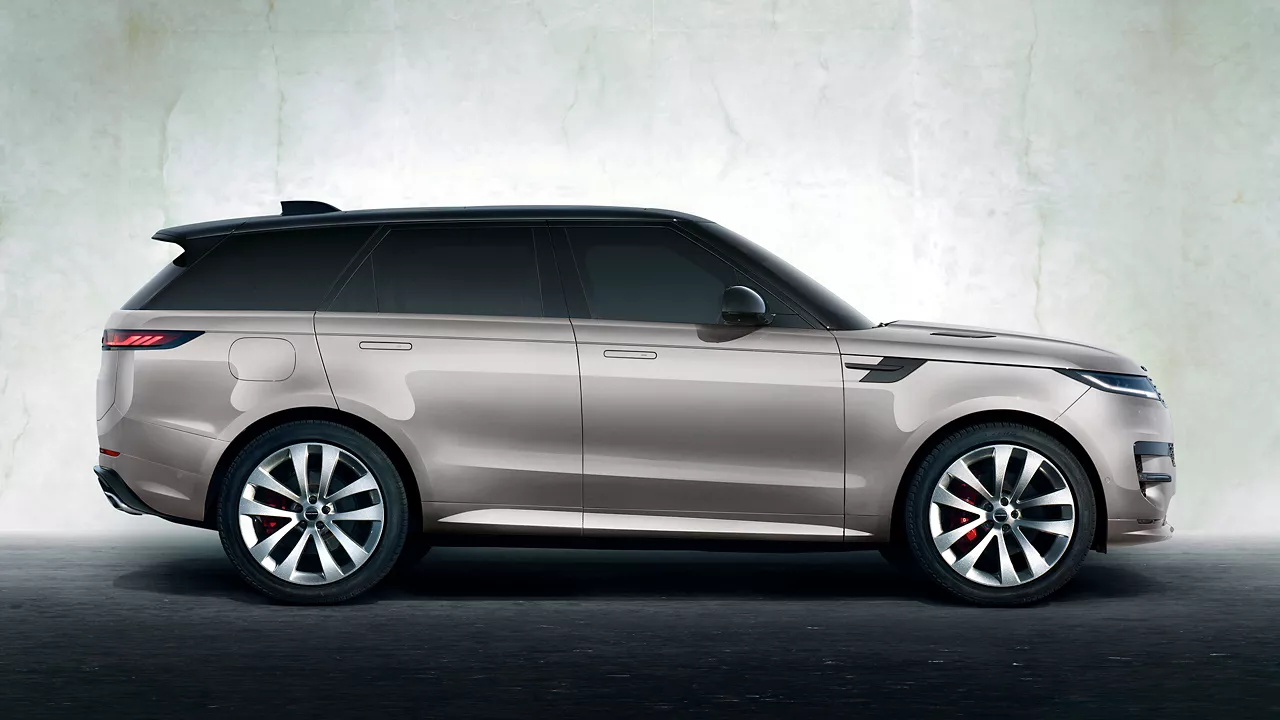
If the full-size Range Rover is a luxury yacht, the Range Rover Sport is a high-speed luxury speedboat. It takes the opulent platform of the flagship and injects it with a massive dose of adrenaline.
Sportier Handling and Performance
The Range Rover Sport features a more aggressive stance, a lower roofline, and performance-focused design cues. It’s engineered for sportier handling and greater agility. Dynamic air suspension and all-wheel steering make this heavy SUV handle like a much smaller vehicle. If you opt for the high-performance SV trim, you get an astonishingly powerful twin-turbo V8 that delivers 0–60 mph acceleration in the mid-3-second range.
Interior Features
The interior layout is tighter and more cockpit-like than the full-size model. The centre console is raised, putting the controls closer to the driver. Yet, it sacrifices nothing in terms of luxury, offering premium materials, active noise cancellation, and the brilliant Pivi Pro infotainment touchscreen system.
Who Should Buy the Range Rover Sport?
This model is perfect for buyers who want the prestige and off-road capability of a Range Rover but prefer a dynamic, driver-centric driving experience over being chauffeured.
Competitors to consider: the Porsche Cayenne, the BMW X5 M, and the Audi RS Q8.
Range Rover Velar Review: The Avant-Garde Masterpiece
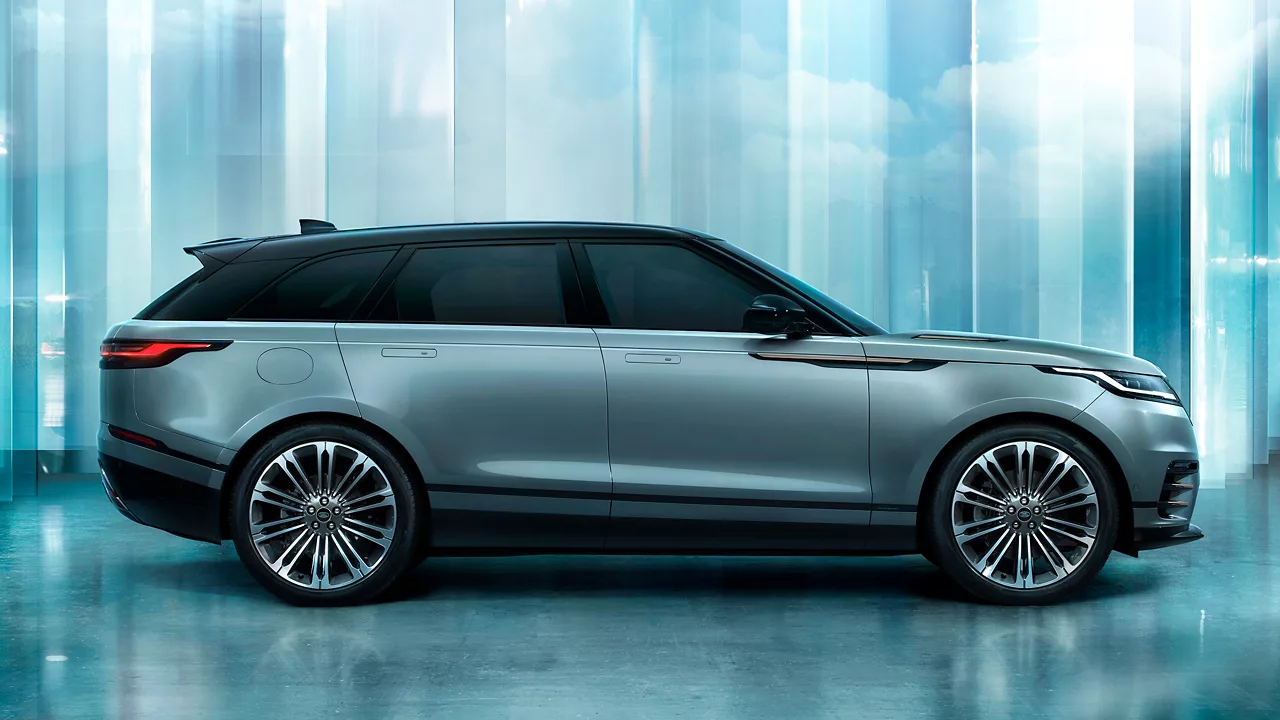
The Range Rover Velar is the middle child of the lineup, filling the gap between the compact Evoque and the larger Sport. Above all else, the Velar is a masterclass in modern automotive design.
Minimalist Interior and Design Language
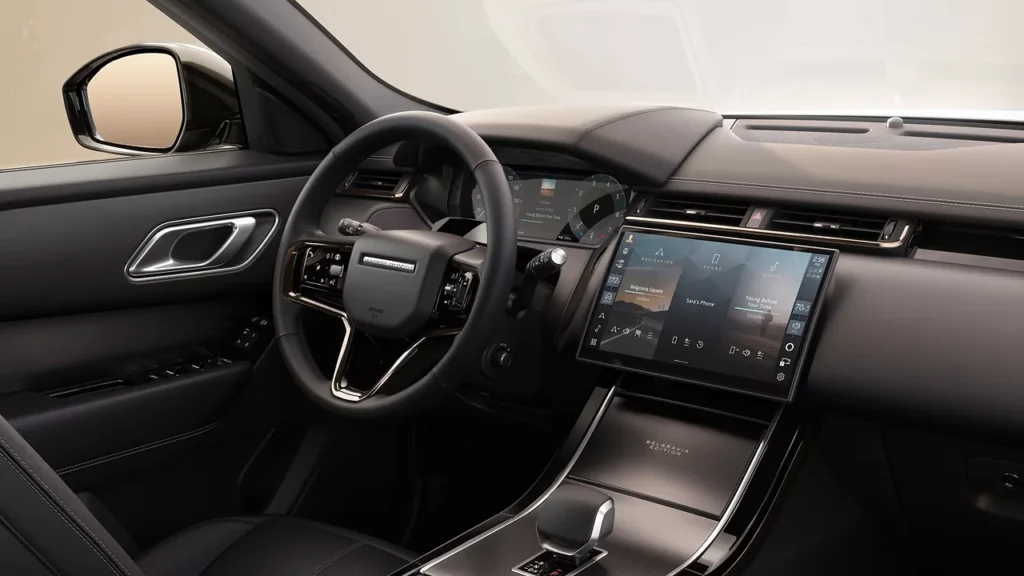
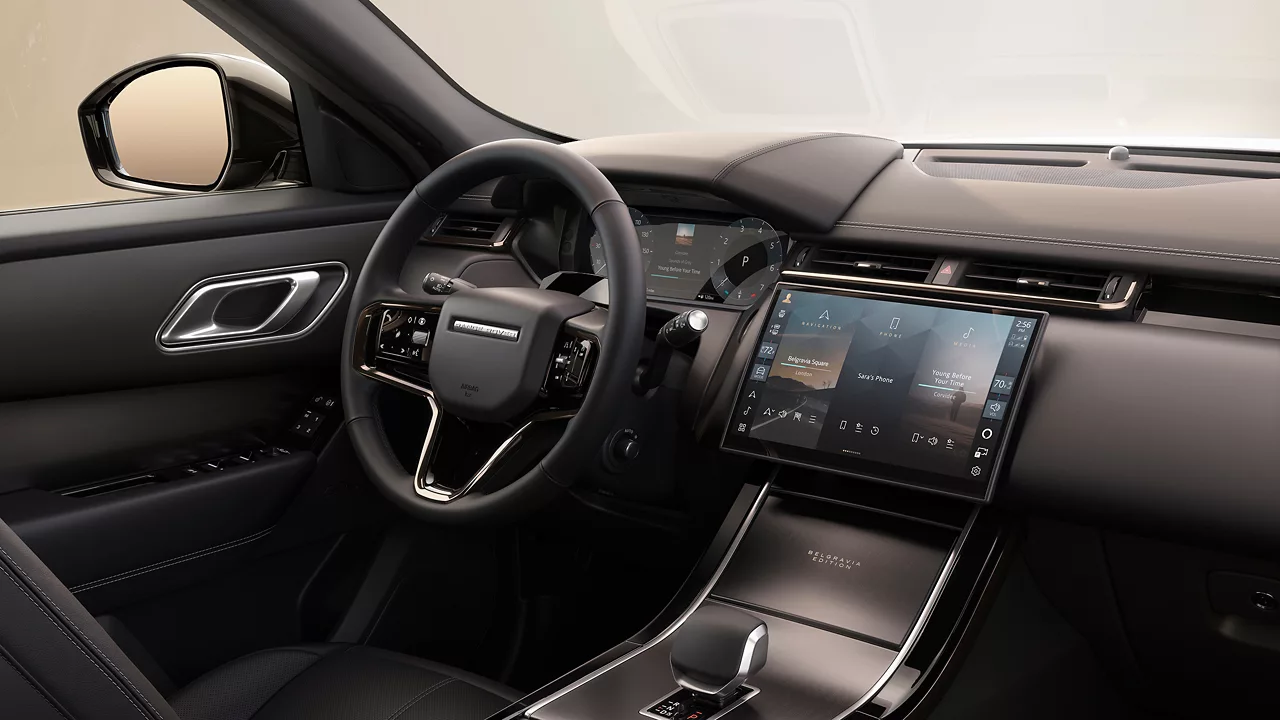
The Velar introduced the “reductionism” design language to the brand. It features a coupe-style SUV appearance, seamless body panels, and flush deployable door handles. Inside, the minimalist interior strips away physical buttons in favour of sleek, curved glass touchscreens. The cabin feels modern, airy, and exceptionally clean.
Comfort vs. Performance
While it is built on the same architecture as the Jaguar F-PACE, the Velar prioritises comfort and quietness over aggressive performance. It handles urban driving beautifully, offering a smooth ride and excellent visibility. It is available with turbocharged four-cylinder engines and mild-hybrid inline-six options, providing plenty of passing power for highway driving.
Target Audience
The Velar appeals to design-conscious buyers who want a stunning, midsize luxury SUV for daily driving without the massive footprint or higher price tag of the Sport or full-size models.
Competitors to consider: Audi Q8, Genesis GV80, BMW X6, Porsche Macan.
Range Rover Evoque Review: The City Chic Compact
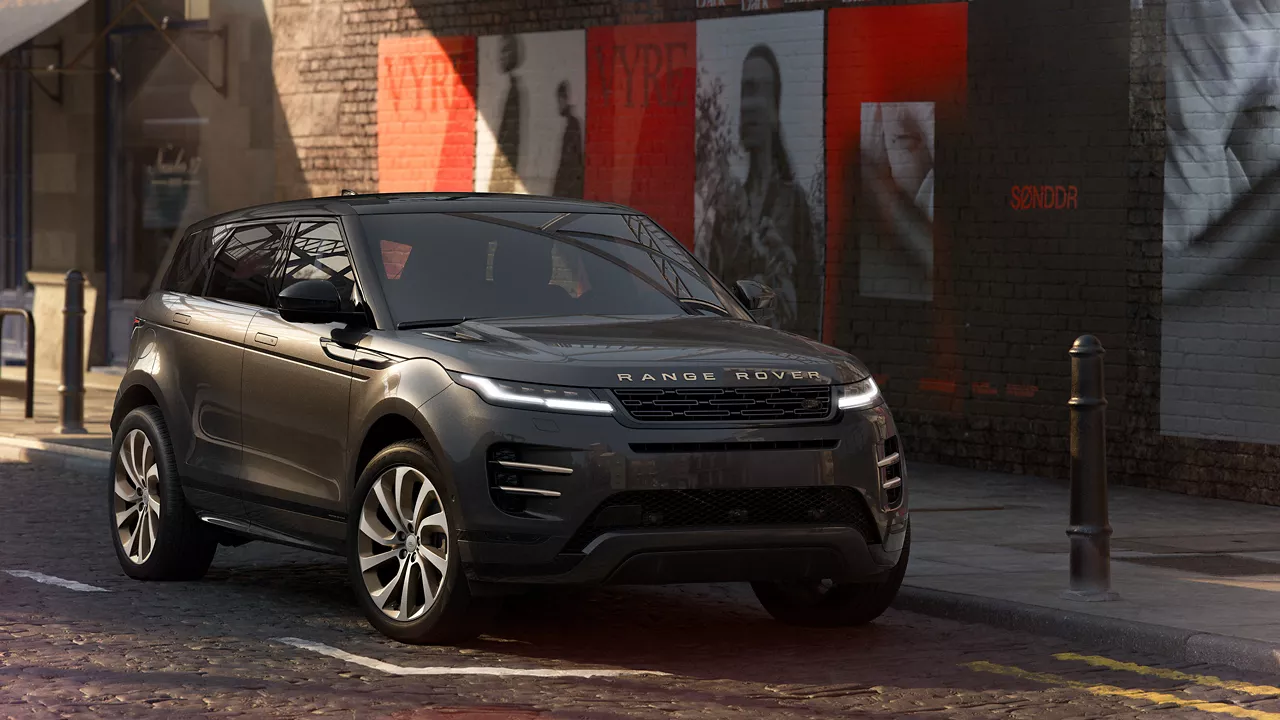
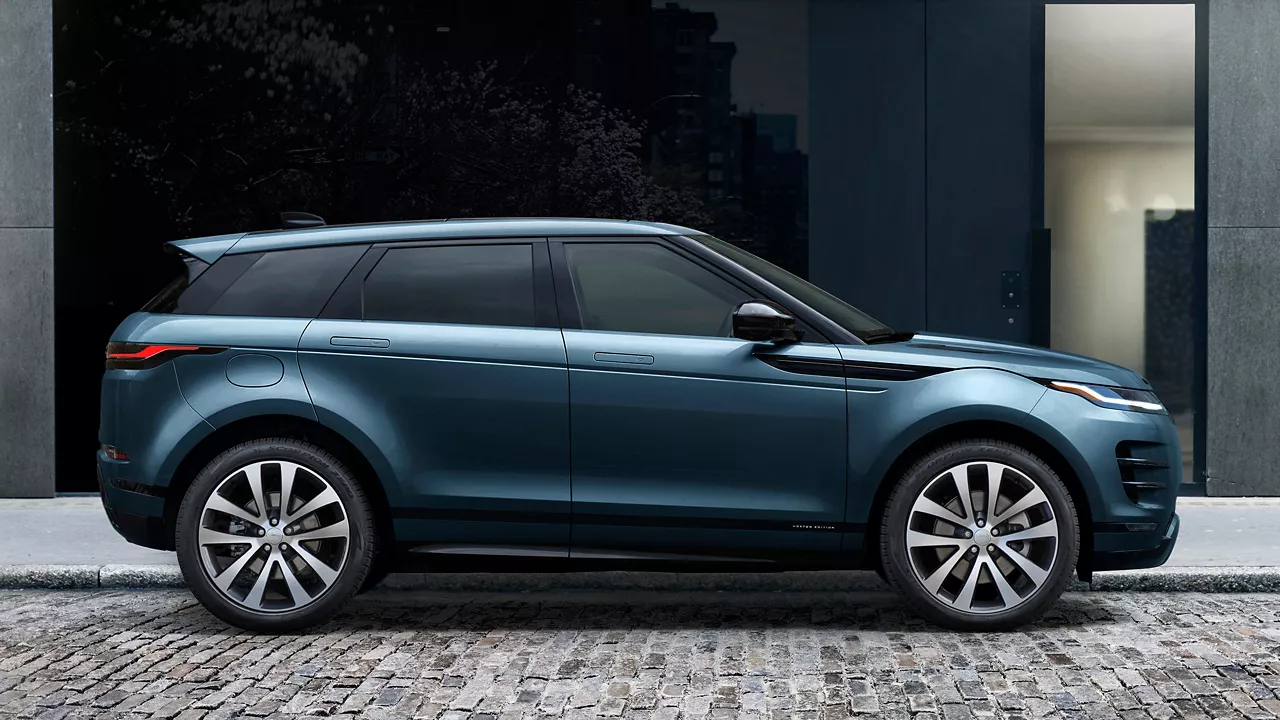
As the smallest and most affordable entry in the Range Rover SUV lineup, the Range Rover Evoque is a compact luxury SUV designed primarily for the urban jungle.
City-Friendly Dimensions
The Evoque’s compact size makes it incredibly easy to park in tight city spaces and maneuver through narrow streets. Despite its small footprint, it retains the muscular stance, high beltline, and sloping roof that make it unmistakably a Range Rover.
Interior Quality and Features
The Evoque acts as an affordable entry into Range Rover ownership without sacrificing the badge’s prestige. The interior quality is superb, utilising premium materials, a panoramic sunroof, and a digital instrument cluster. It features the latest Pivi Pro infotainment system, ensuring seamless smartphone integration.
Fuel Efficiency and Target Audience
Powered by a turbocharged four-cylinder engine, the Evoque offers the best fuel efficiency of the purely internal combustion engine (ICE) lineup. It is highly popular among young professionals, couples without kids, and first-time luxury SUV buyers who want high-end styling in a manageable size.
Competitors to consider: BMW X1, Mercedes-Benz GLA, Volvo XC40, Audi Q3.
Engine Options & Performance
Range Rover’s powertrain portfolio in 2026 is highly versatile, offering something for every type of driver while embracing the transition toward electrification.
- Turbocharged Inline-Six with Mild Hybrid (MHEV): This engine (often badged as P400) provides a brilliant balance of horsepower, torque, and fuel economy. The 48-volt mild-hybrid system captures kinetic energy to improve efficiency and smooth out the start-stop system.
- Plug-In Hybrid Models (PHEV): Models like the P550e offer incredible hybrid efficiency. They pair an inline-six engine with a powerful electric motor and a large battery, allowing for up to 50 miles of purely electric driving. This is perfect for daily commutes, saving fuel while retaining gas capability for long road trips.
- V8 Engines: For those who crave raw power, the twin-turbocharged V8 options (borrowed via a partnership with BMW) deliver over 500 to 600+ horsepower depending on the trim, offering massive towing capacity (up to 8,200 lbs) and blistering acceleration.
- Electric Range Rover: 2026 marks a massive step in the EV transition for luxury SUVs, with the fully electric Range Rover hitting the streets. It promises whisper-quiet performance, massive torque, and an anticipated range of over 300 miles.
Interior & Luxury Features
The cabin of a modern Range Rover is a marvel of British craftsmanship. The brand goes to extreme lengths to ensure a quiet cabin, utilising active noise cancellation technology via speakers mounted in the headrests.
Key luxury features across the lineup include the following:
- Seating: 24-way heated and cooled massage seats covered in premium Windsor or semi-aniline leather upholstery.
- Atmosphere: Configurable ambient lighting, four-zone climate control, and massive panoramic sunroofs that flood the cabin with natural light.
- Tech: The Pivi Pro infotainment system with haptic feedback, a floating curved glass display, and a highly customisable digital instrument cluster.
- Audio: Range Rover partners with Meridian for its premium audio systems. The top-tier Meridian Signature Sound System boasts 35 speakers and over 1,600 watts of power, delivering a concert-hall experience.
- Rear-Seat Luxury: Executive trims feature rear-seat entertainment screens, power-deployable cupholders, and centre consoles.
Off-Road Capability
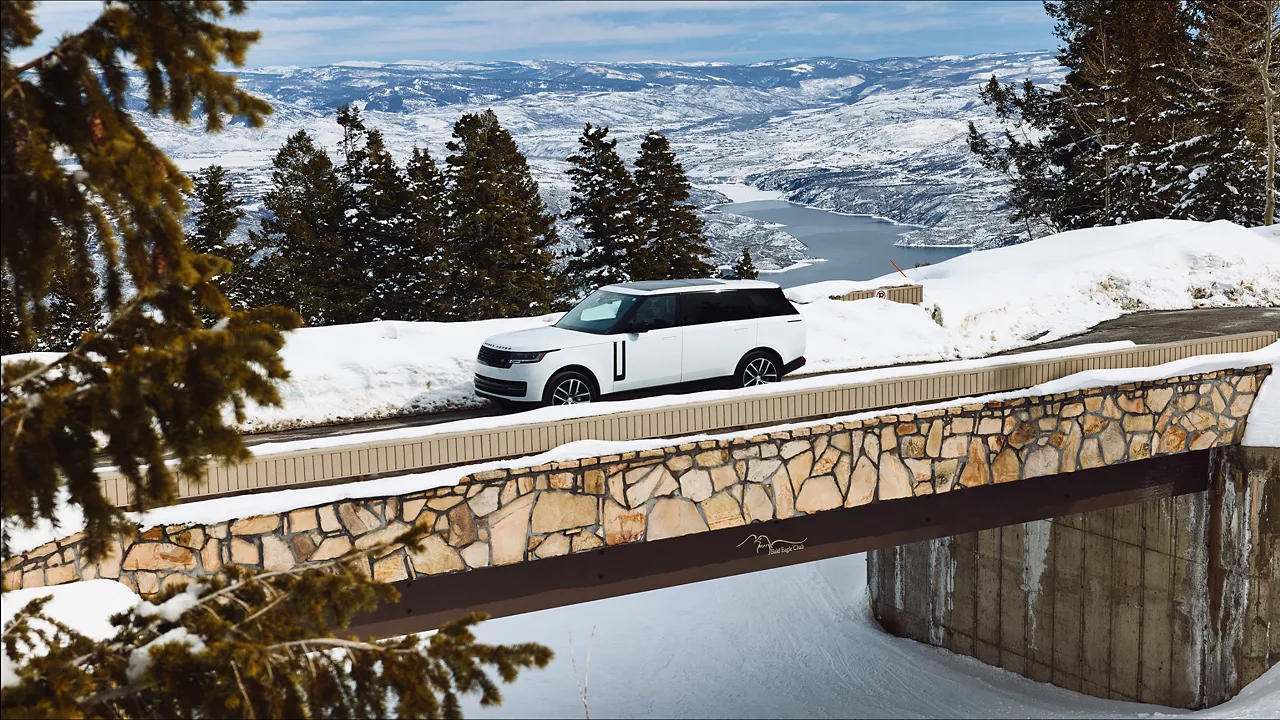
What truly separates a Land Rover Range Rover from a BMW or an Audi is its authentic off-road capability. Even if most owners never take them off the pavement, knowing the vehicle can conquer mountains is part of the appeal.
- Terrain Response 2 System: This system automatically monitors driving conditions and adjusts the engine, transmission, centre differential, and chassis systems to optimise traction across snow, mud, sand, or rocks.
- Air Suspension and Clearances: Standard on the larger models, air suspension allows you to raise the vehicle’s ground clearance to nearly 11.6 inches.
- Water Wading: A standard full-size Range Rover has a water-wading depth of up to 35.4 inches. A sonar system can even display the depth of the water on the infotainment screen.
- Hardware: With a two-speed transfer case, active locking rear differentials, all-wheel drive, and hill descent control, Range Rovers are built for adventure travel, snow driving, and deep mud trails.
Technology & Safety Features
Range Rover models are packed with cutting-edge technology designed to make driving safer and more convenient.
- Driver Assistance Systems: Standard features include adaptive cruise control with steering assist, lane keep assist, blind-spot monitoring, and automatic emergency braking.
- Visibility: The 360-degree 3D surround camera system is arguably the best in the industry, and the “ClearSight” rearview mirror uses a camera on the roof to give you an unobstructed view behind you, even if the cargo area is fully loaded.
- Connectivity: Wireless Apple CarPlay, wireless Android Auto, and wireless device charging are standard. Over-the-air (OTA) updates ensure the vehicle’s software is always up to date.
- Parking Assist: The vehicles can literally park themselves in tight parallel or perpendicular spots using automated parking assist.
Read More:-
- Toyota Prius Prime 2026 Review: Specs, Price, Range & Why It’s the Smartest Plug-in Hybrid
- Toyota Prius Review: The Ultimate Hybrid Transformed
Range Rover Reliability & Maintenance
This is an area that garners high search traffic because of Range Rover’s historical reputation. Are Range Rovers expensive to maintain? The short answer is yes. They are highly complex, ultra-luxury machines packed with heavy electronics and sophisticated air suspension systems.
Common reliability concerns generally center around software glitches, infotainment bugs, and wear-and-tear on the air suspension components over high mileage. However, Land Rover has vastly improved its manufacturing processes for the latest generations.
Repair costs and maintenance expenses are comparable to other top-tier luxury brands like Porsche and Mercedes-Benz. An oil change or brake replacement will cost significantly more than it would on a mainstream car. To mitigate this, many buyers opt for extended warranty coverage or lease the vehicles so they are fully covered during their ownership experience.
Best Range Rover Model for Different Buyers
To help you decide which model to buy in 2026, here is a breakdown based on buyer profiles:
| Buyer Type | Best Model | Why? |
| Best for Ultimate Luxury | Range Rover (Full-Size) | Unmatched ride quality, executive seating, and the ultimate status symbol. |
| Best for Performance & Handling | Range Rover Sport | V8 power, tighter suspension, aggressive styling, and highly engaging to drive. |
| Best for Design & Tech | Range Rover Velar | Gorgeous minimalist aesthetics, great for everyday cruising in style. |
| Best Budget & City Option | Range Rover Evoque | Easiest to park, most affordable, great fuel economy. |
Range Rover Pricing & Trim Levels
Pricing for the Range Rover lineup varies wildly based on the model, engine, and trim level.
- Base Trims (S, SE): These “entry” trims are exceptionally well-equipped, usually featuring leather, panoramic roofs, and the full Pivi Pro tech suite.
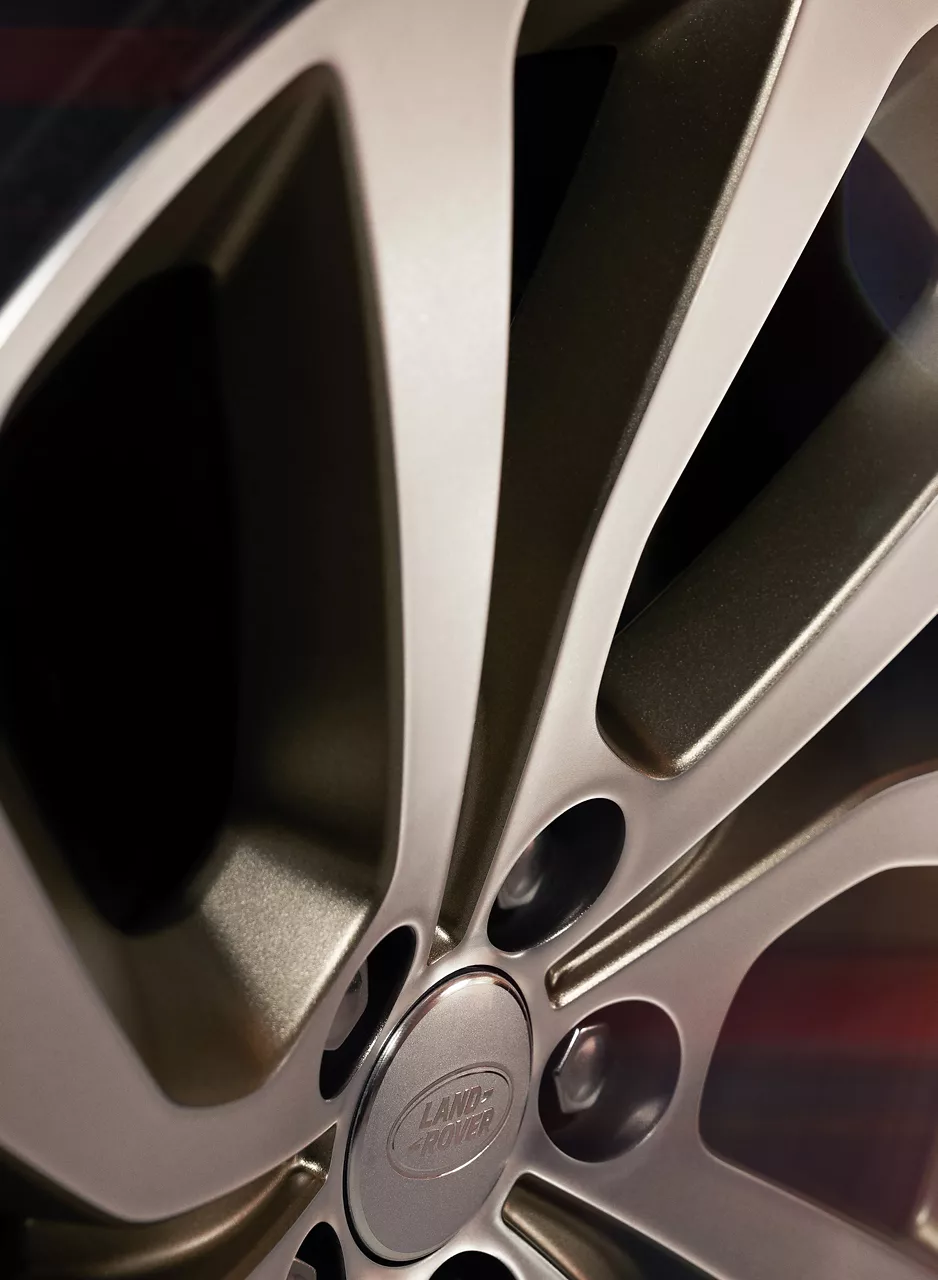
- Premium Trims (Dynamic, Autobiography): Stepping up to the Autobiography trim adds upgraded leather, larger wheels, advanced audio, and executive interior touches.
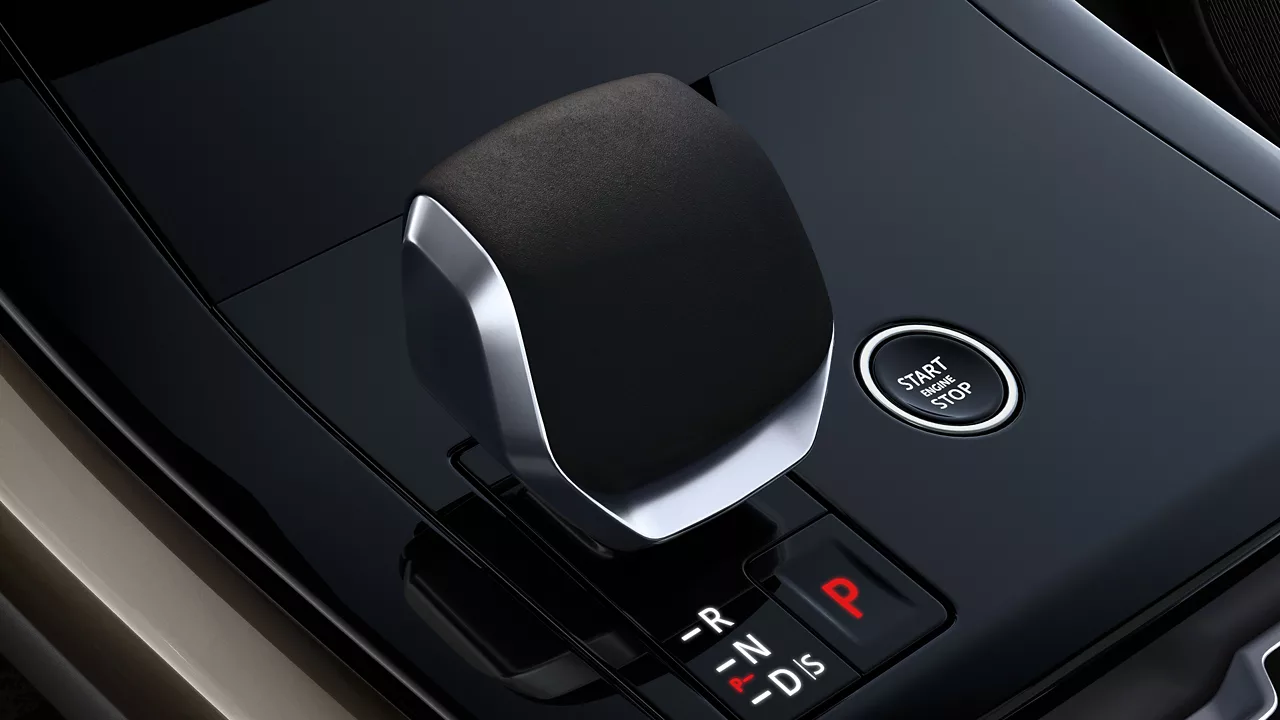
- SV (Special Vehicle Operations): The pinnacle of the lineup. The SV models offer intense customisation options, bespoke handcrafted materials (like ceramic knobs and marquetry wood veneers), and performance upgrades. An SV full-size Range Rover can easily exceed $200,000.
Range Rover vs. Competitors
How does the Range Rover stack up against its biggest rivals?
- Range Rover vs. Mercedes-Benz G-Class: The G-Waggon has the edge in raw retro appeal and rugged, boxy styling, but the Range Rover destroys it in ride comfort, interior luxury, and highway manners.
- Range Rover vs. Lexus LX: The Lexus LX is famously reliable and great off-road. However, the Range Rover’s technology, interior materials, and overall aesthetic are vastly superior and much more modern.
- Range Rover vs. Bentley Bentayga: The Bentayga is a step up in base price and ultra-luxury badge snobbery. Yet, the top-tier Range Rover SV easily rivals the Bentley in interior opulence while offering better off-road capability.
Pros and Cons of Range Rover Ownership
Before signing on the dotted line, it is helpful to weigh the general pros and cons of the Range Rover SUV lineup:
Pros:
- Premium interior with class-leading design and materials.
- Excellent off-road performance—it’s not just for show.
- Strong brand prestige and unmatched road presence.
- Advanced technology and refined, quiet cabins.
Cons:
- Expensive maintenance and parts.
- High purchase price, especially as you climb trim levels.
- Fuel economy concerns on the heavier V8 models.
- A historical reliability reputation requires buyers to be mindful of warranties.
Final Verdict: Which One Should You Buy?
If you are looking for the absolute best the brand has to offer and budget is not a constraint, the full-size Range Rover is the undisputed champion. It is the best overall vehicle in the lineup, offering an intoxicating blend of supreme comfort and quiet confidence.
If you prefer to drive rather than be driven, the Range Rover Sport is the best option for performance buyers. For those who want the badge and styling at the best value, the Evoque is a smart, stylish entry point.
Ultimately, buying a Range Rover isn’t just about getting from point A to point B. It’s about doing so with a sense of occasion, supreme comfort, and the knowledge that no matter the weather or the terrain, your vehicle can handle it beautifully.
Frequently Asked Questions (FAQ)
Which Range Rover model is the best?
The “best” model depends on your needs, but the flagship full-size Range Rover is widely considered the ultimate expression of the brand, offering the highest levels of luxury, comfort, and prestige.
What is the cheapest Range Rover?
The Range Rover Evoque is the most affordable model in the lineup, with starting prices generally hovering around the $49,000 to $50,000 mark for the 2026 model year.
Are Range Rovers reliable?
Range Rovers require meticulous maintenance. While newer generations have seen vast improvements in build quality and software stability, they are complex luxury vehicles. It is highly recommended to maintain warranty coverage during your ownership.
Which Range Rover is biggest?
The full-size Range Rover, specifically the long wheelbase (LWB) variant, is the largest model. It offers massive rear legroom and the option for a third row, allowing it to seat up to seven passengers.
Is Range Rover better than BMW?
It depends on what you value. BMW (like the X5 or X7) typically edges out Range Rover in purely sporty, on-road driving dynamics and tech integration. However, Range Rover offers superior off-road capability, a more opulent, “old money” luxury interior, and a completely different aesthetic appeal.