Toyota Prius Prime 2026 Review Specs, Price, Range & Why It’s the Smartest Plug-in Hybrid








Is the 2026 Toyota Prius Prime the most practical plug-in hybrid car for 2026? In a world racing toward full electrification, this PHEV strikes the perfect balance between electric-only driving and worry-free hybrid efficiency. Whether you commute in bustling US cities like New York or European hubs like London, the Toyota Prius Prime 2026 delivers impressive electric range, exceptional fuel economy, and Toyota’s legendary reliability—all at a price that makes sense for budget-conscious eco-drivers.
Toyota Prius Prime 2026 continues the Prius legacy as a plug-in hybrid (PHEV) that charges at home or public stations yet never leaves you stranded without gas. With up to 44 miles of electric-only range and hybrid MPG ratings that crush traditional sedans, it’s a top contender among fuel efficient cars and the best hybrid car 2026. Let’s dive into everything you need to know—from sleek redesign to long-term savings.
Toyota Prius Prime 2026 Review
What is the Toyota Prius Prime?
The Toyota Prius Prime (now officially marketed as Prius Plug-in Hybrid in many regions) is Toyota’s plug-in hybrid electric vehicle (PHEV). Unlike a standard hybrid that generates its own electricity on the go, a PHEV like the Prius Prime lets you plug in for pure electric driving before seamlessly switching to hybrid mode.
How does it differ from the standard Prius? The regular 2026 Prius is a self-charging hybrid with up to 57 MPG combined and optional all-wheel drive (AWD). The Prius Prime adds a larger 13.6 kWh battery for 39–44 miles of EV range, more total horsepower (220 hp vs. 194–196 hp), quicker acceleration, and no AWD option—but it demands a bit more upfront cost.
Prius history dates back to 1997 as the world’s first mass-produced hybrid. The fifth-generation redesign (2023 onward, carried into 2026) brought a dramatic shift: lower, wider stance and sportier looks. The Prius Prime builds on this foundation, offering the best of both EV and hybrid worlds for drivers who want electrification without full-EV commitment.
Exterior Design & Styling
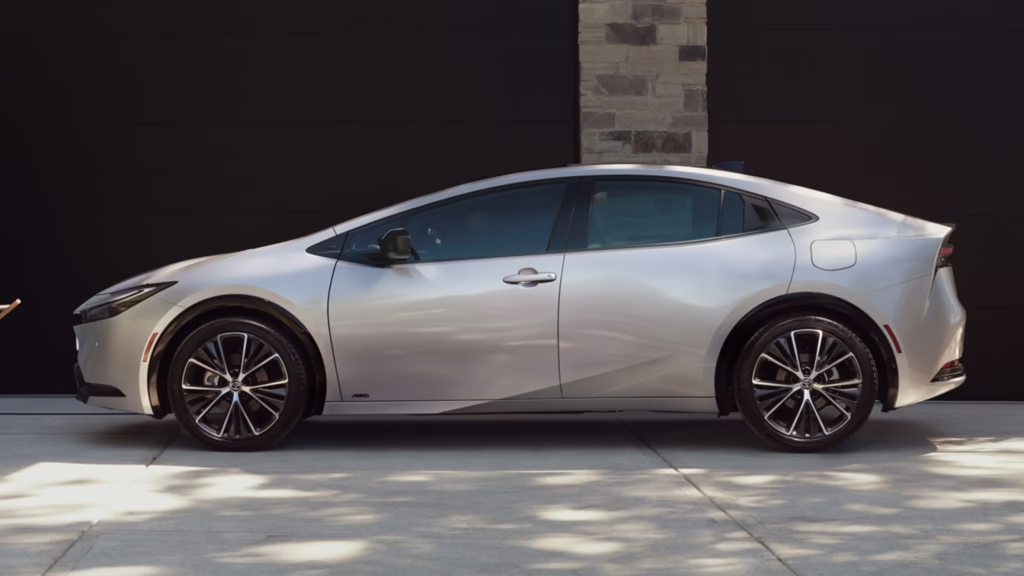
The Prius Prime 2026 design turns heads with its aggressive, aerodynamic profile. Gone are the boxy older generations; this model features a sleek, low-slung silhouette, sharp LED headlights, and a bold hammerhead front fascia that screams modern performance. Aerodynamic tweaks—including active grille shutters and underbody panels—help achieve class-leading efficiency.
Higher trims like XSE and Nightshade add 19-inch alloy wheels (with blacked-out finishes on Nightshade), sportier body cladding, and available two-tone paint. Overall length, width, and height create a planted, coupe-like stance that improves stability and reduces drag. For US and European buyers seeking style without sacrificing practicality, the Prius Prime 2026 looks premium yet remains unmistakably Toyota.
Interior, Comfort & Technology
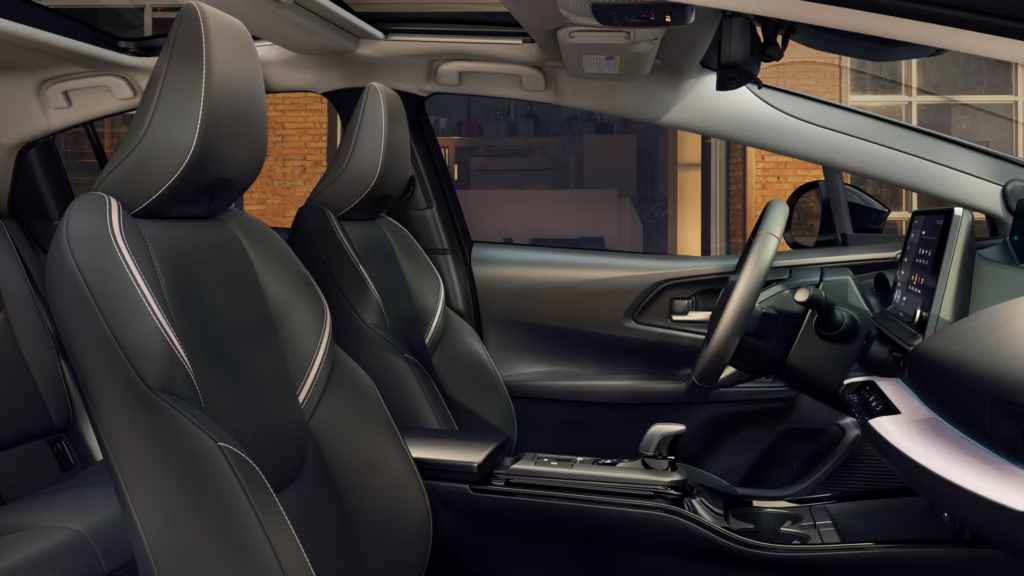
Step inside the 2026 Toyota Prius Prime and you’ll find a spacious, high-quality cabin designed for comfort on long commutes. Seating for five offers supportive front seats with available heating (standard on XSE and above) and premium SofTex upholstery. Rear legroom is competitive for a compact hatchback, though taller passengers may notice the sloping roofline.
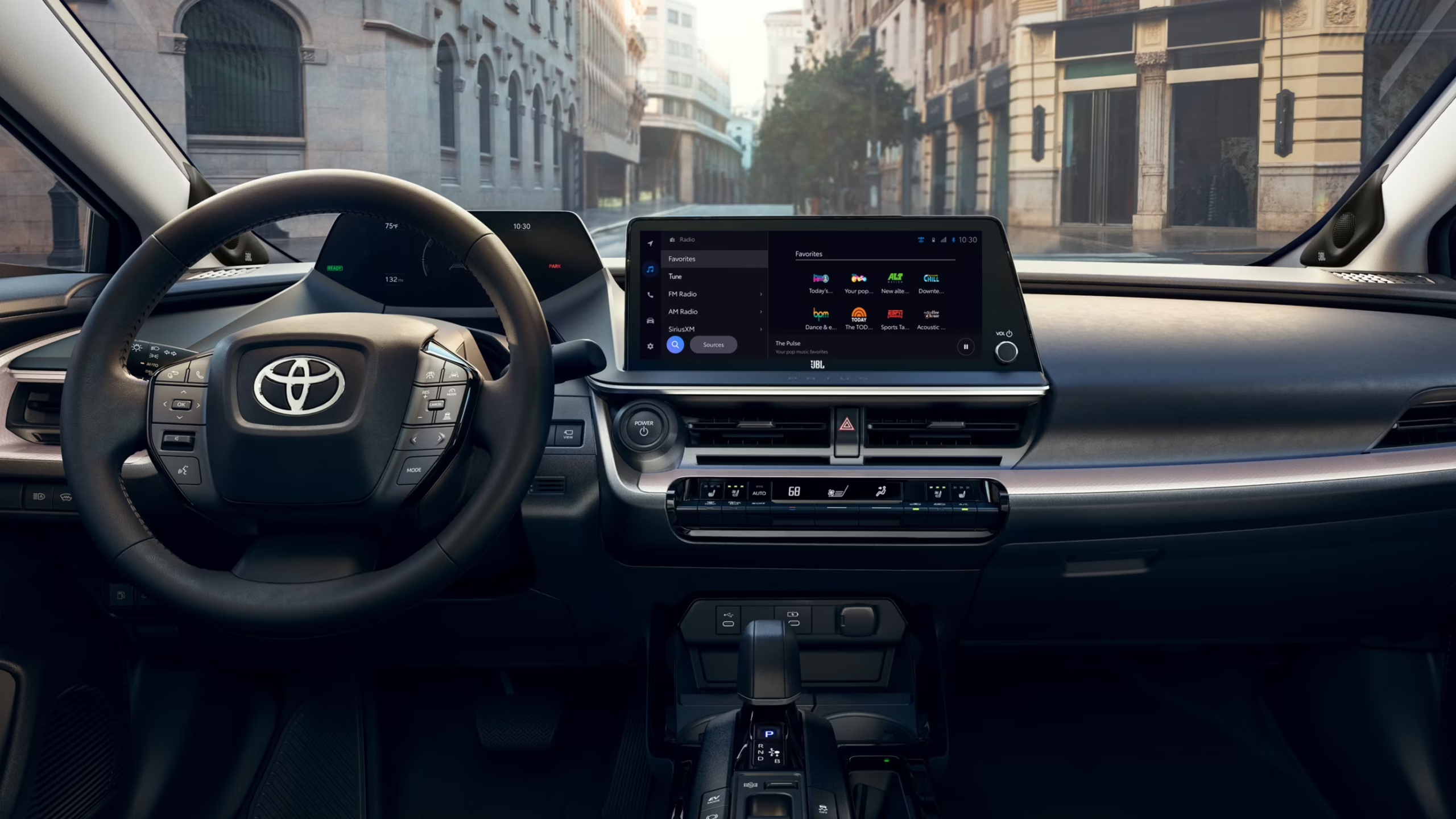
Technology shines with a standard 8-inch touchscreen (upgradable to 12.3 inches on XSE Premium) featuring wireless Apple CarPlay, Android Auto, and a crisp digital instrument cluster. A top-mounted multi-information display keeps eyes on the road. Cargo space measures about 20.3 cubic feet behind the rear seats, expanding significantly with 60/40 split-folding seats—perfect for groceries, weekend bags, or airport runs.
Premium touches include wireless phone charging, ambient lighting, dual-zone climate control, and available JBL audio. Quiet and refined, the interior feels more upscale than its price suggests.
Performance & Engine Specs
Under the hood, the Toyota Prius Prime 2026 packs a 2.0-liter four-cylinder engine paired with two electric motors for a combined 220 horsepower. The electronically controlled continuously variable transmission (eCVT) delivers smooth, seamless power. Acceleration from 0–60 mph takes just 6.6 seconds—surprisingly quick for a hybrid.
Drive modes include EV (pure electric), Hybrid, and Eco for maximum efficiency. The system feels responsive in city traffic and confident on highways, with instant electric torque off the line.
Electric Range & Battery
One of the biggest draws is the Prius Prime electric range. The 13.6 kWh lithium-ion battery delivers up to 44 miles EPA-estimated on the base SE trim and 39–40 miles on XSE and higher trims. Real-world testing shows 33–45 miles depending on weather, driving style, and terrain—plenty for most daily commutes.
Charging is straightforward: a standard 120V outlet takes about 11 hours for a full charge, while a 240V Level 2 home charger does the job in roughly 4 hours. No DC fast-charging capability, but that keeps costs down and suits overnight home charging perfectly.
Fuel Efficiency & Cost Savings
When the battery depletes, hybrid mode kicks in with outstanding efficiency: the SE achieves approximately 52–53 MPG combined, while other trims rate around 48 MPG. MPGe figures reach 127 on the SE in electric mode.
Compared to gas-only sedans (often 25–35 MPG) or even regular hybrids, the Prius Prime saves hundreds annually on fuel. Over five years, with average US or European electricity and gas prices, owners can save $2,000–$4,000 versus a comparable non-hybrid—especially if you maximize electric miles.
Driving Experience
The Prius Prime 2026 offers a refined, quiet ride. In EV mode, it’s virtually silent; hybrid mode remains composed with minimal engine noise. Handling feels sportier than previous Prius models thanks to the lower center of gravity. Ride comfort absorbs bumps well, making it ideal for city streets or European motorways. Highway performance is stable, with low wind and road noise.
Safety Features & Ratings
Every Toyota Prius Prime comes standard with Toyota Safety Sense 3.0, including pre-collision system with pedestrian detection, dynamic radar cruise control, lane tracing assist, automatic high beams, and road sign assist. Blind-spot monitoring and rear cross-traffic alert are also standard.
The Prius lineup earns top marks from IIHS and NHTSA, with strong crash-test ratings carried over to 2026 models. Advanced features like proactive driving assist add extra peace of mind for families and commuters alike.
Read More:-
- Tesla Model 3 Long Range Review 2026: The Ultimate EV Sedan Guide
- 2026 Tesla Model 3 RWD Review: Complete Specs, Range & Performance Guide
Trim Levels & Pricing
US Pricing (2026 MSRP, excluding $1,195 destination):
- SE: $33,775 — base features, best EV range
- XSE: $37,025 — sportier wheels, upgraded tech
- Nightshade Edition: $37,795 — blacked-out styling
- XSE Premium: $40,470 — fixed glass roof, larger screen, more luxury
Europe (UK example): Starts at £37,895 (Design) to £39,995 (Excel). Prices vary by country but remain competitive in the PHEV segment.
Value shines across the board—especially when factoring in fuel savings and reliability.
Pros and Cons
Pros:
- Outstanding fuel economy and EV capability
- Quick acceleration for a hybrid
- Toyota’s bulletproof reliability
- Modern, eye-catching design
- Comprehensive safety suite
Cons:
- Higher price than standard Prius
- EV range shorter than dedicated EVs
- No AWD option (FWD only)
- Charging requires planning for longer trips
Comparison with Competitors
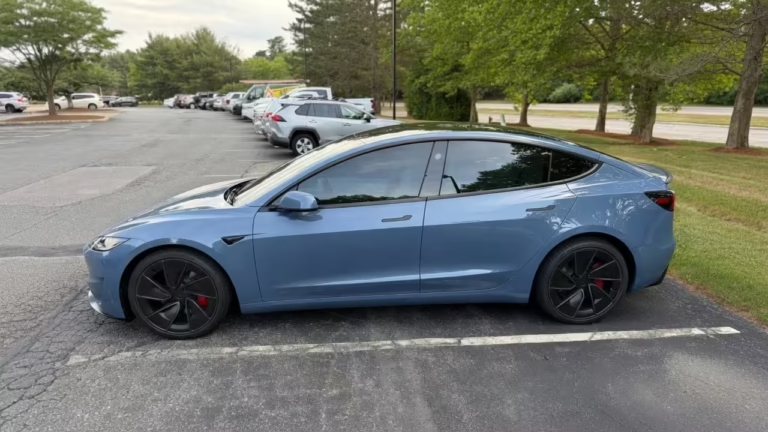
Versus the Tesla Model 3 (full EV): The Prius Prime costs less upfront, eliminates range anxiety with gas backup, and offers similar efficiency in daily use—but Tesla wins on pure electric range and tech.
The Hyundai Ioniq Plug-in Hybrid (where available) offers competitive pricing and range but lacks Toyota’s long-term reliability reputation and resale value. The discontinued Honda Clarity PHEV is no longer an option, leaving the Prius Prime as the efficiency leader in its class.
Overall, the Prius Prime edges out rivals for real-world practicality and low ownership costs.
Maintenance & Reliability
Toyota’s reputation is unmatched. The Prius Prime benefits from ToyotaCare (2 years/25,000 miles complimentary maintenance) and an 8-year/100,000-mile hybrid components warranty. The hybrid battery carries a 10-year/150,000-mile warranty. Service intervals are straightforward and affordable—expect lower costs than gas guzzlers or full EVs with expensive battery replacements.
Ownership Experience
Daily usability is excellent for city drivers, commuters, and eco-conscious buyers. Home charging makes mornings effortless, and the hatchback versatility suits weekend getaways. Ideal for those with 30–40 mile daily drives who can plug in nightly. Not suited for frequent long-haul trips without stops.
Environmental Impact
The Toyota Prius Prime slashes emissions compared to petrol or diesel cars. Electric mode produces zero tailpipe emissions; hybrid mode remains ultra-clean. Over its lifecycle, it contributes meaningfully to sustainability goals in the US and Europe, where governments offer PHEV incentives.
Who Should Buy the Prius Prime?
Buy the 2026 Toyota Prius Prime if you’re a first-time PHEV shopper, urban commuter, or budget-minded driver seeking EV vs hybrid benefits without full-EV infrastructure needs. It’s perfect for those averaging under 40 miles daily with home/work charging access.
Skip it if you drive 100+ miles daily without reliable charging or need AWD for snow.
Future of Prius & Hybrid Technology
Toyota continues investing in hybrids as a bridge to full EVs. The Prius Prime exemplifies this strategy—practical electrification today with proven tech. Expect future updates like improved batteries or software enhancements, keeping hybrids relevant alongside battery-electric vehicles.
Final Verdict
The 2026 Toyota Prius Prime excels with strong performance, class-leading efficiency, modern styling, and unbeatable reliability. Starting around $34,000 (US) or £38,000 (Europe), it delivers tremendous value as a plug-in hybrid car. For most drivers, it’s absolutely worth buying in 2026—especially if you want electric driving without compromise.
Ready to make the switch? Visit your local Toyota dealer for a test drive, compare trims online, or check current incentives in your area. Share your thoughts in the comments—which trim would you choose? Subscribe for more EV vs hybrid guides and fuel-efficient car reviews to stay ahead in 2026 and beyond!
FAQ Section
Is the Prius Prime fully electric?
No—it’s a plug-in hybrid. It drives up to 44 miles on electricity alone before switching to hybrid mode for unlimited range.
How long does it take to charge the 2026 Toyota Prius Prime?
Approximately 4 hours on a 240V Level 2 charger or 11 hours on a standard 120V outlet.
Is the Toyota Prius Prime 2026 worth buying?
Yes, for commuters and eco-drivers seeking excellent efficiency, reliability, and value. It outperforms many rivals in real-world savings.
What is the battery life and warranty on the Prius Prime?
The hybrid battery is warrantied for 10 years or 150,000 miles. Expect 8–10+ years of strong performance with proper care.
How does the Prius Prime compare to the standard Prius?
The Prime adds plug-in EV range and more power but costs more and skips AWD; the standard Prius offers higher MPG without charging.
Explore EVs, Cars & Bikes:-