Electric Pedal Bikes Revolutionizing Everyday Cycling with Smart Pedal Assist



Electric pedal bikes are transforming how people experience cycling in 2026. These innovative machines combine traditional pedaling with intelligent electric assistance, allowing riders to tackle longer distances, steeper hills, and daily commutes with less fatigue while still getting a great workout. Whether you’re a seasoned cyclist looking to extend your range or a beginner seeking an easier entry into two-wheeled adventures, electric pedal bikes deliver the perfect balance of human effort and motor support.
What Are Electric Pedal Bikes?
Electric pedal bikes, often called pedal-assist e-bikes, are bicycles equipped with an electric motor that provides assistance only when you pedal. Unlike throttle-only models, they emphasize rider input, making the experience feel natural and engaging. The motor amplifies your pedaling power, typically cutting effort by 50-300% depending on the assist level selected.
There are three main classes of electric bikes that help define regulations and capabilities:
- Class 1: Pedal-assist only, with assistance cutting off at 20 mph.
- Class 2: Pedal-assist plus throttle, limited to 20 mph.
- Class 3: Faster pedal-assist up to 28 mph, popular for commuters.
Most electric pedal bikes fall into Class 1 or 3 categories, prioritizing a bicycle-like feel over moped-style riding.
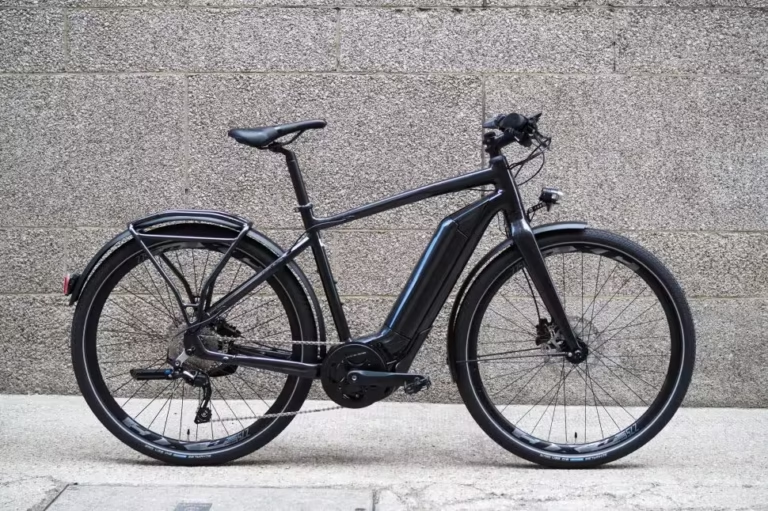
Common types include city/commuter bikes for urban streets, mountain e-bikes for trails, folding models for portability, and hybrid styles for versatile use.

Performance Details Power, Range, and Ride Quality
Electric pedal bikes shine through their balanced performance. Motors typically range from 250W to 750W, delivering smooth torque for acceleration and hill climbing. Torque sensors in premium models detect how hard you pedal and provide proportional assistance, creating a responsive, bike-like feel. Cadence sensors offer simpler, step-based support.
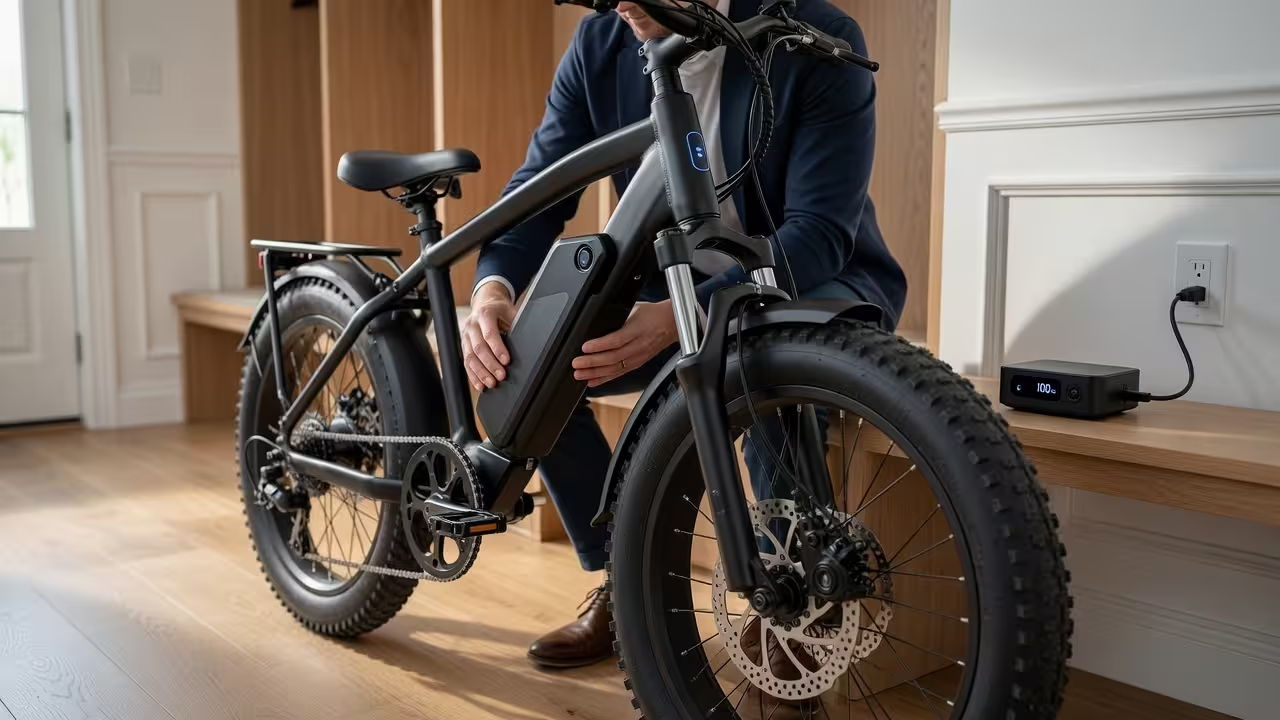
Battery capacity often spans 300Wh to 750Wh or more, providing 20-80+ miles per charge depending on terrain, rider weight, assist level, and pedaling effort. Higher-assist modes drain the battery faster but make tough climbs effortless. Many bikes feature removable batteries for easy charging at home or work.
Acceleration feels intuitive, with the motor kicking in seamlessly as you push the pedals. Top speeds vary by class, but real-world cruising often lands in the 15-25 mph range with moderate effort. This makes electric pedal bikes ideal for maintaining speed on flat roads or conquering inclines without exhaustion.
Handling, Suspension, and Braking
Modern electric pedal bikes offer excellent handling thanks to reinforced frames designed to support the added weight of motors and batteries (typically 40-70 lbs total). Suspension forks or full-suspension setups on off-road models absorb bumps effectively, while rigid urban bikes prioritize efficiency and agility.
Hydraulic disc brakes provide strong, reliable stopping power essential for the higher speeds and weights involved. Wide tires enhance stability and comfort, and features like torque sensors plus multiple assist modes (Eco, Normal, Sport, Turbo) let you customize the ride for efficiency or power.
Interior Technology and Rider-Focused Features
Electric pedal bikes come loaded with smart tech. LCD or color displays show speed, battery level, assist mode, distance, and sometimes navigation. Integrated lights, fenders, and racks turn many models into practical daily drivers. Smartphone connectivity via apps allows ride tracking, firmware updates, and customization.
Comfortable saddles, adjustable stems, and ergonomic grips cater to riders of different sizes and abilities. Safety elements like reflective details, horn options, and advanced lighting improve visibility in traffic.
Pricing and Availability in the USA and Europe
Prices for quality electric pedal bikes typically start around $800-$1,500 for solid entry-level models and climb to $2,000-$4,000+ for premium options with longer range, lighter components, and advanced features. Mid-range bikes around $1,500-$2,500 often deliver the best value for most riders.
Availability is strong across the USA and Europe, with growing support for dedicated e-bike lanes and incentives in many cities. Check local regulations, as Class 3 models may face restrictions on certain paths. Both regions see expanding dealer networks and online options with solid warranties (often 2 years on batteries and frames).
Comparisons Electric Pedal Bikes vs. Traditional Bikes and Other Options
Compared to traditional bikes, electric pedal bikes extend your range dramatically and reduce physical strain on hills or long rides, while still providing cardiovascular benefits since you must pedal. They weigh more but make cycling accessible to older riders, those with fitness limitations, or anyone carrying cargo.
Versus throttle-heavy e-bikes or scooters, pedal-assist models feel more like real cycling, encourage exercise, and often qualify for bike-specific infrastructure and insurance rates. They differ from full electric motorcycles by remaining pedal-driven and lighter on regulations.
Real-World Usability, Driving Experience, and Ownership Costs
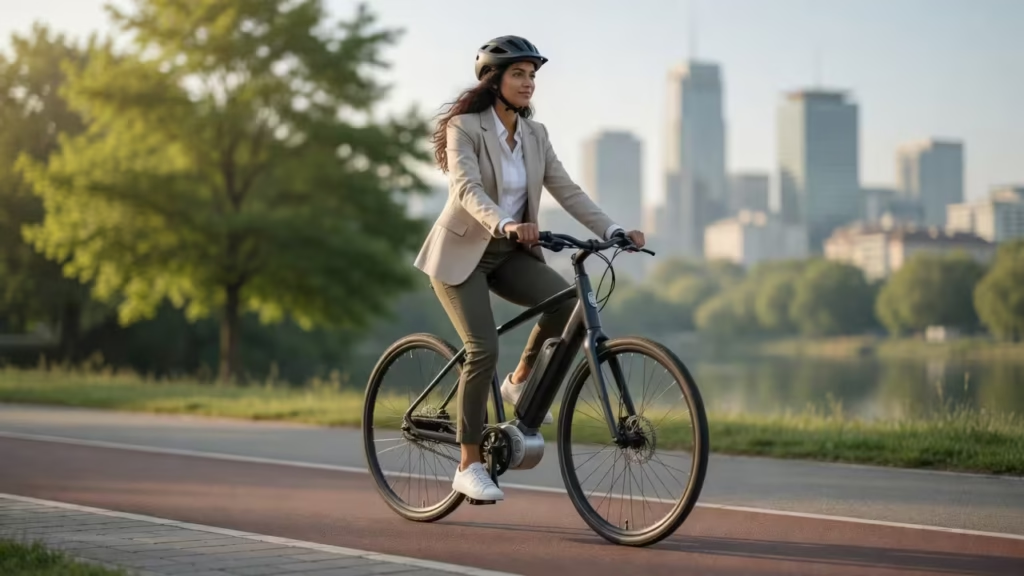
The riding experience on electric pedal bikes is exhilarating yet approachable. Pedal lightly for efficient cruising or crank harder for a workout—the motor seamlessly supports you. Daily commuters appreciate arriving less sweaty, while recreational riders enjoy exploring farther without burnout.
Ownership costs are reasonable. Electricity for charging costs pennies per ride, and maintenance mirrors regular bikes with occasional battery care. Tires and brakes wear slightly faster due to speed and weight, but overall expenses stay low compared to cars. Many models prove reliable for years with basic upkeep.
Environmental impact stands out positively: zero tailpipe emissions, reduced traffic congestion, and promotion of active transportation.
Market Impact and Future Trends in Electric Pedal Bikes
Electric pedal bikes are booming as cities push sustainable mobility. Advancements in lighter batteries, more powerful yet efficient motors, and smarter integration promise even better performance. Expect improved range, faster charging, and integration with smart city ecosystems in coming years.